 FishKillFlea
Florida Fishing License Guide (2026)
Complete 2026 guide to Florida fishing licenses with verified pricing ($17 resident, $47 non-resident), freshwater/saltwater differences, shoreline exemption, free fishing days, and penalties.
Overview of Florida Fishing Licenses
Florida justifies its title as the Fishing Capital of the World, offering unparalleled offshore big game fishing, expansive shallow saltwater flats, and legendary inland largemouth bass lakes. The Florida Fish and Wildlife Conservation Commission (FWC) requires anyone between the ages of 16 and 64 to possess a valid fishing license.
Because the ecosystems are so distinct, Florida strictly separates its licenses into two legally defined categories: Freshwater and Saltwater. If you intend to fish for bass on Lake Okeechobee, you need a freshwater license. If you intend to cast for snook in the mangroves, you need a saltwater license. Many resident anglers simply purchase a combination license to cover both legally.
Real-World Application: The Shoreline Exemption
For Florida residents who enjoy casual saltwater fishing without a boat, the state offers a highly popular exemption. If you are a documented resident of Florida, you can obtain a free Resident Shoreline Fishing License. This specifically allows you to fish in saltwater from land or a structure attached to land (like a pier or bridge) entirely for free.
However, this exemption has strict limits. If you cast off the dock, untie your kayak, and paddle 10 feet into the water, you are no longer shoreline fishing—you must physically possess a paid, standard Saltwater Fishing License. This exemption is also strictly unavailable to non-residents; tourists must buy a license regardless of where they stand.
2026 Florida Fishing License Prices
Florida offers some of the most affordable fishing licenses in the United States, with separate pricing for freshwater and saltwater. All prices listed below are current as of 2026:
| License Type | Resident Price | Non-Resident Price | Validity Period |
|---|---|---|---|
| Freshwater Fishing License | $17.00 | $47.00 | Annual (July 1 - June 30) |
| Saltwater Fishing License | $17.00 | $47.00 | Annual (July 1 - June 30) |
| Freshwater/Saltwater Combo | $32.50 | $79.00 | Annual (July 1 - June 30) |
| Non-Resident 3-Day Saltwater | N/A | $17.00 | 3 consecutive days |
| Non-Resident 7-Day Saltwater | N/A | $30.00 | 7 consecutive days |
| Snook Permit (Annual) | $10.00 | $10.00 | Annual (July 1 - June 30) |
| Tarpon Tag (Per Fish) | $51.50 | $51.50 | Per harvested fish |
| Resident Shoreline Saltwater | FREE | Not Available | Annual (July 1 - June 30) |
Important: All Florida fishing licenses operate on a fiscal year basis, running from July 1 through June 30 of the following year. If you purchase a license in March 2026, it will expire on June 30, 2026, regardless of when you bought it. Five-year licenses are available for residents at $79.00 for freshwater or saltwater (not combination).
Who Needs a Florida Fishing License?
Florida law requires anyone aged 16 through 64 to possess a valid fishing license when fishing in public waters. However, several important exemptions exist:
Age-Based Exemptions
- Children under 16: No license required for freshwater or saltwater fishing
- Seniors 65 and older: Florida residents completely exempt from all recreational fishing license requirements (must show valid Florida driver's license or ID card)
- Note: If you are 64 years and 11 months old, you still need a license. The exemption begins on your 65th birthday.
Location-Based Exemptions
- Resident Shoreline Fishing: Florida residents can fish saltwater from land or fixed structures (piers, bridges, jetties) with a free shoreline license
- Licensed Fishing Piers: Some commercial piers hold blanket licenses covering all anglers fishing from that structure
- Private Ponds: Fishing in privately-owned ponds of 20 acres or less where the owner has purchased a fish pond license
- Charter Boats: Passengers aboard FWC-licensed charter vessels are covered by the captain's commercial license
Special Status Exemptions
- Disabled Veterans: Florida residents with a service-connected disability may qualify for free or reduced-cost licenses
- Active Military on Leave: Florida residents on active military duty stationed outside Florida and home on leave (must show military ID and leave papers)
Freshwater vs. Saltwater: Understanding the Split
Florida is one of the few states that legally separates freshwater and saltwater fishing into distinct license categories. This distinction is not merely administrative—it carries legal weight and enforcement consequences.
Freshwater License Covers:
- All inland lakes, rivers, streams, and canals
- Species: Largemouth bass, bluegill, crappie, catfish, peacock bass
- Famous locations: Lake Okeechobee, St. Johns River, Kissimmee Chain of Lakes
Saltwater License Covers:
- All coastal waters, bays, estuaries, and offshore ocean
- Species: Snook, redfish, tarpon, grouper, snapper, mahi-mahi, sailfish
- Famous locations: Florida Keys, Tampa Bay, Everglades backcountry, Gulf Coast beaches
The Gray Zone: Brackish Water
Florida's extensive mangrove estuaries create complex situations where freshwater and saltwater mix. The legal standard is based on species, not water salinity. If you catch a snook (a saltwater species) in a brackish canal, you need a saltwater license. If you catch a largemouth bass (a freshwater species) in the same canal, you need a freshwater license. Many anglers targeting both species simply purchase the combination license ($32.50 resident, $79 non-resident) to eliminate confusion.

Penn Battle III Surf Spinning Combo
10-foot surf rod with Penn Battle III reel. Built for beach casting stripers and bluefish.
Affiliate link · Prices may vary
Special Permits: Snook, Tarpon, and Lobster
Florida's most prized sportfish require additional permits beyond the base saltwater license:
Snook Permit ($10 Annual)
Required if you intend to harvest and keep a snook during open season. If you are practicing catch-and-release only, the base saltwater license is sufficient. The snook permit is waived during free fishing days. Snook season is highly regulated with specific slot limits (28-32 inches total length) and closed seasons (December 15 - January 31 and June 1 - August 31 in most zones).
Tarpon Tag ($51.50 Per Fish)
Required to harvest or possess a tarpon. Unlike snook, even possessing a tarpon out of the water for photography longer than necessary for hook removal can require a tag in some interpretations. Most tarpon anglers practice catch-and-release and do not purchase tags. If you intend to harvest a tarpon for mounting, you must purchase a tag in advance and affix it immediately upon landing.
Lobster Permit (Included)
The recreational lobster permit is automatically included with any saltwater fishing license at no additional cost. Lobster season runs July 25-26 (sport season, 2 days) and August 6 - March 31 (regular season). Bag limit: 6 per person per day, 12 per vessel per day.
Free Fishing Days in Florida (2026)
Florida offers multiple license-free fishing days throughout the year, allowing anyone—resident or non-resident—to fish without purchasing a license. All other regulations (bag limits, size limits, seasons) remain in effect.
2026 Free Fishing Days:
Freshwater:
- April 4-5, 2026 (First weekend in April)
- June 6-7, 2026 (First weekend in June)
Saltwater:
- April 4-5, 2026 (First weekend in April)
- June 6-7, 2026 (First weekend in June)
- July 4, 2026 (Independence Day)
- September 6-7, 2026 (First weekend in September)
Important Notes:
- Special permits (Snook, Tarpon tags) are also waived on these days
- You can harvest snook during open season on free fishing days without a snook permit
- All bag limits, size limits, and seasonal closures still apply
- These dates are set annually by FWC and may change in future years
How to Buy a Florida Fishing License
Florida offers multiple convenient purchase options:
Online (Recommended)
Visit GoOutdoorsFlorida.com, Florida's official licensing portal. You'll receive an instant digital license via email that is legally valid. You can print it or display it on your phone. Physical licenses are mailed within 10 business days.
What You Need:
- Valid email address
- Credit or debit card
- Florida driver's license or ID number (for resident rates)
- Proof of residency (utility bill, lease agreement) may be required for first-time resident purchases
In-Person Locations
- County Tax Collector Offices: All 67 Florida counties sell licenses
- Sporting Goods Stores: Bass Pro Shops, Walmart, Dick's Sporting Goods, local tackle shops
- FWC Regional Offices: Limited locations, primarily for complex situations
License Renewal
Licenses can be renewed online starting 60 days before expiration. You'll receive email reminders if you purchased your previous license online. The renewal process takes less than 5 minutes and your new license is available immediately.
Penalties for Fishing Without a License
Florida takes fishing license enforcement seriously. Florida Fish and Wildlife Conservation Commission (FWC) officers conduct regular checks at boat ramps, fishing piers, and popular fishing locations.
First Offense Penalties (2026)
- Florida Residents: $50-$100 fine plus court costs ($50-$100 additional)
- Non-Residents: $100-$250 fine plus court costs ($50-$100 additional)
- Classification: Level One violation, non-criminal infraction
Repeat Offense Penalties
- Fines can exceed $500
- Possible misdemeanor criminal charges
- Equipment confiscation (rods, reels, tackle, catch)
- Vessel impoundment in extreme cases
- Suspension of future licensing privileges
What Happens If You're Checked
FWC officers will ask to see your fishing license, photo ID, and any required special permits (Snook, Tarpon). They may also inspect your catch for compliance with bag limits, size limits, and seasonal closures. Digital licenses displayed on your phone are legally valid—you do not need a physical card.
Pro Tip: Always carry your license while fishing, even if you're exempt by age. Having a Florida driver's license showing you're 65+ immediately resolves any questions. For the shoreline exemption, you must have obtained the free shoreline license—simply being a resident is not sufficient proof.
Charter Boat Fishing: What You Need to Know
Florida's charter fishing industry is one of the largest in the world, and the licensing rules are designed for convenience.
When You DON'T Need a License
If you are a paying passenger aboard an FWC-licensed charter boat or party boat, the vessel's commercial license covers all passengers for saltwater fishing. This applies to:
- Offshore sportfishing charters (grouper, snapper, mahi, sailfish)
- Inshore flats fishing (snook, redfish, tarpon)
- Party boats (head boats where you pay per person)
- Freshwater guide boats on lakes and rivers
When You DO Need a License
- Fishing from a private boat (even if a friend owns it)
- Fishing from a rental boat (kayak, pontoon, center console)
- Fishing from shore before or after your charter trip
- Keeping fish from a charter trip to eat later (the captain's license covers you only while aboard)
How to Verify a Charter is Licensed
Ask to see the captain's FWC charter license before booking. Legitimate operations will display their license number prominently. Unlicensed "guides" cannot legally cover your licensing requirement, and you could be cited if checked by FWC.
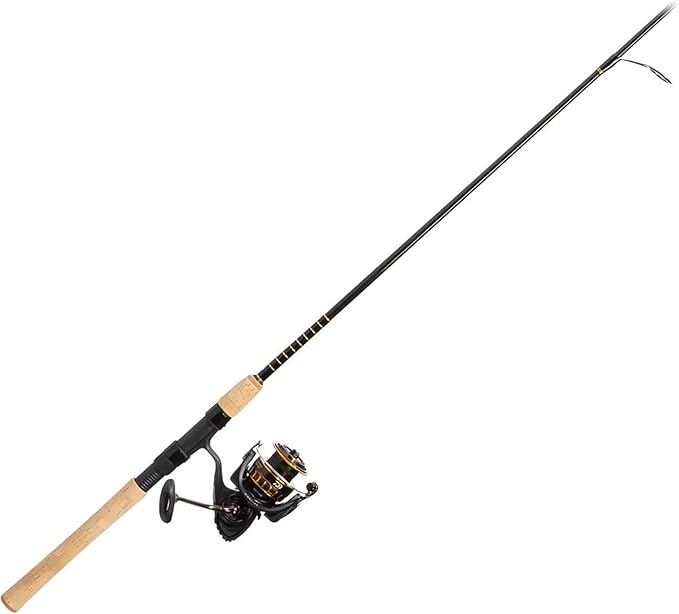
Daiwa BG Spinning Combo
Heavy-duty saltwater combo with Daiwa BG reel. Excellent for inshore and pier fishing.
As an Amazon Associate, we earn from qualifying purchases. Prices may vary.
Top Florida Fishing Locations and Licensing Notes
Lake Okeechobee (Freshwater License Required)
Florida's largest freshwater lake, world-famous for trophy largemouth bass. The entire lake is public water requiring a freshwater fishing license. No special permits needed beyond the base license. Best fishing: December through April. Average bass size: 3-5 lbs, with 8-10 lb fish common.
Florida Keys (Saltwater License Required)
Encompasses both Atlantic Ocean and Gulf of Mexico waters. Saltwater license required for all fishing. Snook permit required if targeting snook (check seasonal closures). Tarpon fishing is catch-and-release only in most areas—tags rarely needed. Lobster season is hugely popular (July-March).
Everglades National Park (Both Licenses Recommended)
The Everglades contain both freshwater and saltwater zones, often within the same fishing trip. Brackish mangrove creeks hold both snook (saltwater species) and largemouth bass (freshwater species). Most anglers purchase the combination license ($32.50 resident, $79 non-resident) to cover all scenarios. National Park entrance fee required ($30 per vehicle, 7 days).
Tampa Bay (Saltwater License Required)
One of Florida's most productive inshore fisheries. Saltwater license required for all fishing. Target species: redfish, snook, trout, tarpon, grouper, snapper. Snook permit required if keeping snook during open season. Many anglers fish from shore using the free resident shoreline license.
St. Johns River (Freshwater License Required)
Florida's longest river, flowing north for 310 miles. Freshwater license required throughout. Famous for largemouth bass, crappie, and catfish. Some tidal sections near Jacksonville contain saltwater species—if you catch a saltwater species, you technically need a saltwater license, making the combination license the safer choice for lower river fishing.
Snook, Tarpon, and Charter Operations
While the base licenses cover general fishing, Florida aggressively protects its most prized sportfish. If you intend to harvest a Snook, you must purchase a highly specific Snook Permit ($10 annual). If you intend to harvest or even possess a Tarpon, you must buy an expensive, individual Tarpon Tag ($51.50 per fish).
For visitors hiring guides, Florida law provides immense convenience. If you are fishing on a specialized, FWC-licensed charter boat (whether an offshore sportfisher or an inshore flats skiff), your individual saltwater licensing requirement is completely covered by the vessel's commercial license.
Real-World Scenarios: Do You Need a License?
Scenario 1: "I'm visiting from Georgia for a week-long fishing trip"
Answer: You need a non-resident license. For a week-long trip, purchase a 7-day saltwater license ($30) if fishing only in saltwater, or a 7-day freshwater license (not available—must buy annual $47) if fishing lakes. If fishing both, buy the non-resident annual combination license ($79) for best value. Your Georgia license has no reciprocity in Florida.
Scenario 2: "I'm 64 years old, turning 65 next month"
Answer: You need a license until your 65th birthday. The exemption begins the day you turn 65, not before. If you're fishing the day before your birthday, you must have a valid license. After your birthday, carry your Florida driver's license or ID as proof of age and residency.
Scenario 3: "I want to fish from the beach in Destin"
Answer: If you're a Florida resident, obtain the free Resident Shoreline Saltwater License online. If you're a non-resident, you must purchase a paid saltwater license ($47 annual, $30 for 7-day, or $17 for 3-day). The free shoreline exemption is only available to Florida residents.
Scenario 4: "I'm fishing from a kayak in Tampa Bay"
Answer: You need a paid saltwater fishing license. The free shoreline exemption does NOT apply to any vessel, including kayaks, canoes, paddleboards, or boats. The moment you leave land or a fixed structure, you need a standard license.
Scenario 5: "I caught a snook while fishing for redfish"
Answer: If you're practicing catch-and-release, your saltwater license is sufficient. If you intend to keep the snook, you must have purchased a Snook Permit ($10) in advance AND the snook must be within the legal slot limit (28-32 inches) AND it must be during open season (not December 15 - January 31 or June 1 - August 31). If any of these conditions aren't met, you must release the fish immediately.
Scenario 6: "I'm on a charter boat in the Keys"
Answer: No license needed while aboard the charter. The captain's commercial license covers all passengers. However, if you plan to fish from shore before or after the charter, you'll need your own license for that activity.
Scenario 7: "I'm fishing in the Everglades backcountry"
Answer: Purchase the combination license ($32.50 resident, $79 non-resident). The Everglades contain both freshwater and saltwater species in close proximity. You might catch a largemouth bass (freshwater) and a snook (saltwater) on consecutive casts. The combination license eliminates any legal ambiguity. Also budget for the National Park entrance fee ($30 per vehicle, 7 days).
Scenario 8: "My child is 15 years old"
Answer: No license required. Children under 16 are exempt from all Florida fishing license requirements, both freshwater and saltwater. They must still follow all bag limits, size limits, and seasonal closures. On their 16th birthday, they need a license.
Comparing Florida to Neighboring States
| State | Resident Annual | Non-Resident Annual | Senior Exemption | Free Fishing Days |
|---|---|---|---|---|
| Florida | $17 (FW or SW) | $47 (FW or SW) | 65+ (residents) | 7 days (2026) |
| Georgia | $15 (combined) | $50 (combined) | 65+ (residents) | 4 days |
| Alabama | $13.35 (FW), $27.10 (SW) | $56.35 (combined) | 65+ (residents) | 2 weekends |
| South Carolina | $10 (FW), $35 (SW) | $35 (FW), $35 (SW) | 64+ (residents) | 2 days |
Key Takeaways:
- Florida's $17 resident license is competitive but requires separate freshwater/saltwater purchases
- Florida's $47 non-resident license is middle-of-the-pack for the Southeast
- Florida offers the most free fishing days (7 in 2026) compared to neighboring states
- No reciprocity agreements exist—your home state license is not valid in Florida
License Renewal and Expiration
When Do Licenses Expire?
All Florida annual fishing licenses expire on June 30 each year, regardless of purchase date. If you buy a license on June 1, 2026, it expires June 30, 2026—you get one month. If you buy on July 1, 2025, you get the full 12 months until June 30, 2026. Plan purchases accordingly.
Five-Year Licenses
Florida residents can purchase 5-year licenses for $79 (freshwater or saltwater, not combination). These expire exactly 5 years from the purchase date, not on June 30. Example: Purchase on March 15, 2026 → Expires March 15, 2031. Five-year licenses are not available for non-residents or for combination licenses.
How to Renew
Renew online at GoOutdoorsFlorida.com starting 60 days before expiration. The system will remember your information from previous purchases. Renewal takes less than 5 minutes and your new license is available immediately via email.
Grace Period
Florida does NOT offer a grace period. If your license expires on June 30 and you fish on July 1 without renewing, you are fishing illegally and subject to citation. FWC officers do not provide warnings for expired licenses.
Lost or Damaged Licenses
Replacement licenses can be printed for free from your GoOutdoorsFlorida account. If you purchased in person and don't have an online account, visit any license agent with photo ID to request a duplicate. There is no fee for replacements.

Penn Battle III Spinning Reel
Full metal body and sideplate. HT-100 carbon fiber drag washers for smooth performance.
Affiliate link · Prices may vary
Military and Veteran Exemptions
Active Duty Military
Florida residents on active military duty stationed outside Florida and returning home on leave can fish without a license. You must carry:
- Valid military ID
- Official leave papers showing dates
- Proof of Florida residency (Florida driver's license or documentation showing Florida as home of record)
Disabled Veterans
Florida residents who are honorably discharged veterans with a service-connected disability may qualify for:
- 100% Disabled: Free lifetime sportsman's license (includes hunting and fishing)
- 10-90% Disabled: 50% discount on annual licenses
Apply through the Florida Department of Veterans' Affairs with DD-214 and VA disability rating documentation.
Gold Star Family Members
Surviving spouses and dependent children of military members killed in action may qualify for free or reduced-cost licenses. Contact FWC for specific eligibility requirements.
Disabled Angler Accommodations
Accessibility Permits
Florida offers special permits for anglers with permanent disabilities that prevent them from fishing under standard regulations:
- Disabled Person Hunting and Fishing License: Free for Florida residents with permanent disabilities
- Requirement: Physician certification of permanent disability that substantially limits one or more major life activities
- Benefits: May include modified bag limits, extended seasons, or use of adaptive equipment
Accessible Fishing Locations
Florida maintains numerous ADA-accessible fishing piers and platforms:
- Wheelchair-accessible piers at most state parks
- Paved pathways to fishing areas
- Accessible restrooms and parking
- Some locations offer loaner fishing equipment
Frequently Misunderstood Rules
"I'm just catch-and-release, do I still need a license?"
YES. Florida requires a license for all fishing activity, regardless of whether you keep fish. The only exception is if you're specifically exempt by age, location, or special status.
"The fish I caught is too small to keep, so I don't need a license, right?"
WRONG. You need a license to fish, period. Size limits determine what you can keep, not whether you need a license to fish in the first place.
"I'm fishing on private property, so I don't need a license"
PARTIALLY TRUE. You don't need a license to fish in a privately-owned pond of 20 acres or less where the owner has purchased a fish pond license. You DO need a license to fish in private canals, lakes over 20 acres, or any water connected to public waters, even if you're on private property.
"My license is in the car, that's good enough"
NOT GOOD ENOUGH. You must have your license on your person while fishing. "It's in the car" is not a valid defense. Digital licenses on your phone are acceptable—take a screenshot if you're worried about cell service.
"I bought a license online but haven't received the physical card yet"
YOU'RE LEGAL. The digital license emailed to you immediately after purchase is fully valid. You can fish with the digital version displayed on your phone. The physical card is a convenience, not a requirement.
Conservation Impact: Where Your Money Goes
Florida fishing license revenue directly funds conservation and management programs:
- Habitat Restoration: Mangrove replanting, seagrass restoration, artificial reef construction
- Fish Stocking: Largemouth bass, redfish, and other species stocking programs
- Research: Population studies, migration tracking, disease monitoring
- Law Enforcement: FWC officer salaries, patrol boats, equipment
- Public Access: Boat ramps, fishing piers, shore access improvements
- Education: Youth fishing programs, angler education courses
In 2025, Florida fishing license sales generated over $45 million for conservation programs. Every license purchased directly contributes to maintaining Florida's world-class fisheries for future generations.
Additional Resources
- Official FWC Website: MyFWC.com
- Purchase Licenses: GoOutdoorsFlorida.com
- Regulations Handbook: Download current year regulations PDF from FWC website
- FWC Phone: 850-488-4676 (Monday-Friday, 8am-5pm EST)
- Report Violations: 888-404-FWCC (888-404-3922) or *FWC from cell phone
- Fishing Forecasts: FWC Fish Forecast
Last Updated: April 4, 2026 | Source: Florida Fish and Wildlife Conservation Commission
This guide is based on 2026 regulations and pricing. Always verify current requirements at MyFWC.com before fishing, as regulations can change mid-season.