 FishKillFlea
· Guides · 7 min read
Catch and Cook Fishing: Do You Need a License? Keeping, Cleaning & Eating Your Catch (2026)
Reviewed by FishKillFlea Editorial Team
Yes, you need a fishing license whether you keep the fish or not. Plus: how to legally keep your catch, cleaning rules, daily limits, and what species you can eat.
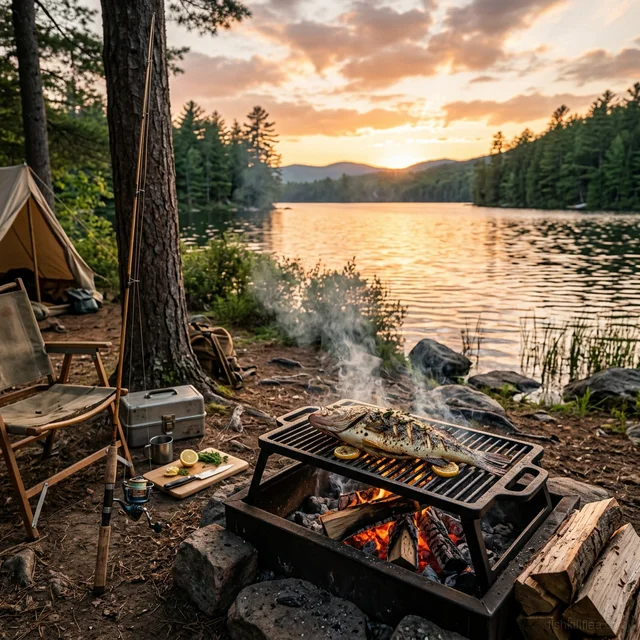
Do you need a fishing license for catch and cook? Yes — you need a valid fishing license whether you plan to keep the fish, release it, or eat it on the spot. The license covers the act of fishing, not what you do with the catch. But keeping fish adds extra rules you need to know: daily bag limits, size minimums, species restrictions, and cleaning/transport laws. This guide covers everything for anglers who want to eat what they catch.
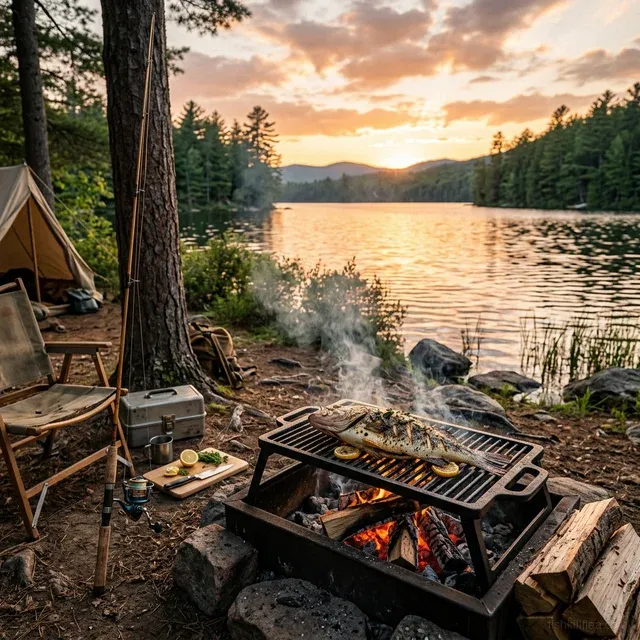
Quick Answer: License + Keeping Rules
| Question | Answer |
|---|---|
| Do I need a license to catch and cook? | ✅ Yes — same license as catch-and-release |
| Can I eat fish I catch? | ✅ Yes — if the species is legal and you follow limits |
| Are there limits on how many fish I keep? | ✅ Yes — every state sets daily bag limits by species |
| Are there size requirements? | ✅ Yes — most species have a minimum size to keep |
| Can I cook fish at the lake? | ⚠️ Depends — check campfire and park rules |
| Do I need any extra permits to keep fish? | Usually no — your fishing license covers keeping fish within limits |
Daily Bag Limits: How Many Fish Can You Keep?
Every state sets daily bag limits (the maximum number of fish you can keep per day) and possession limits (total you can have at any time). Here are typical limits for popular species:
Freshwater Species — Typical Daily Limits
| Species | Typical Daily Limit | Typical Size Minimum | Notes |
|---|---|---|---|
| Largemouth Bass | 5–6 per day | 12–14 inches | Most states: 5/day |
| Smallmouth Bass | 5–6 per day | 12 inches | Often same as largemouth |
| Channel Catfish | 5–15 per day | No minimum (most states) | Liberal limits in most states |
| Bluegill / Panfish | 15–25 per day | No minimum | High limits — great for eating |
| Crappie | 10–25 per day | 9–10 inches | Popular table fish |
| Walleye | 3–6 per day | 15–18 inches | Strict in Great Lakes states |
| Rainbow Trout | 4–5 per day | 8–12 inches | Higher limits at stocked waters |
| Brown Trout | 3–5 per day | 9–15 inches | Often lower limits than rainbow |
| Northern Pike | 2–5 per day | 24–28 inches | Size minimums vary widely |
| Muskie | 1 per day | 36–54 inches | Strict catch-and-release culture |
Saltwater Species — Typical Daily Limits
| Species | Typical Daily Limit | Size Minimum | Season |
|---|---|---|---|
| Red Drum (Redfish) | 1–3 per day | 18–27 inches (slot limit) | Year-round in most states |
| Flounder | 2–5 per day | 14–19 inches | Varies by state |
| Spotted Seatrout | 3–5 per day | 15–17 inches | Year-round in most areas |
| Red Snapper | 2 per day | 16 inches | Federal season limited (check dates) |
| Grouper | 1–3 per day | 20–24 inches | Season varies |
| Striped Bass | 1–2 per day | 18–28 inches | Strict regulations coast-wide |
| Mahi-mahi (Dolphinfish) | 5–10 per day | No minimum (most) | Year-round (offshore) |
| King Mackerel | 2–3 per day | 24 inches | Year-round |
These are general ranges — limits vary significantly by state and even by specific water body. Always check your state’s current regulations before keeping fish. Visit your state page for exact limits.

Pflueger President Spinning Reel
Smooth 10-bearing system. Great value for freshwater fishing.
Affiliate link · Prices may vary
Size Limits: When Is a Fish Big Enough to Keep?
Most states enforce minimum size limits to protect young fish that haven’t reproduced yet. If a fish is too small, you must release it immediately — even if it’s your only catch.
How to Measure a Fish
| Measurement | Method | Used For |
|---|---|---|
| Total length | Nose tip to tail tip (tail pinched together) | Most freshwater species |
| Fork length | Nose tip to fork of the tail | Some saltwater species (tuna, billfish) |
| Carapace length | Shell measurement | Lobster, crab |
Slot Limits
Some species use slot limits — you can only keep fish within a specific size range:
| Species | Example Slot Limit | State | What It Means |
|---|---|---|---|
| Red Drum | 18”–27” slot | FL, TX, NC, SC | Only keep fish between 18” and 27”. Release all others |
| Largemouth Bass | 12”–15” slot, 1 over 22” | Some MO/AR lakes | Keep 12”–15” fish. Release 15”–22”. Only 1 trophy over 22” |
| Walleye | Protected 15”–20” slot | MI, MN (some lakes) | Release fish between 15”–20” to protect spawning-size fish |
Catch and Cook at the Lake: Rules
Cooking your catch lakeside is a classic outdoor experience, but there are rules:
Can You Cook Fish Right at the Lake?
| Location | Open Fire/Grill Allowed? | Notes |
|---|---|---|
| Campground at lake | ✅ Usually yes (in fire rings) | Use designated fire rings or grills |
| Public park lake | ⚠️ Check regulations | Many parks ban open fires; portable grills may be OK |
| State park | ⚠️ Check specific park | Some allow campfires in designated areas only |
| National Forest / BLM land | ✅ Usually yes (check fire restrictions) | Fire restrictions during dry season |
| Random spot on lakeshore | ❌ Often no | Leave-no-trace on public land; no unauthorized fires |
| Boat | ❌ Open fire not allowed | Portable gas grills OK on some larger boats |
Fish Cleaning Rules
| Rule | Details |
|---|---|
| Clean at designated stations | Many lakes have fish cleaning stations at boat ramps — use them |
| Don’t dump guts in the lake | Illegal in many areas; attracts predators and causes water quality issues |
| Keep fish identifiable | Some states require fish to remain whole (head and tail attached) until you reach home or a camp |
| Transport rules | In transport, fish must be identifiable to species (no filleting at the lake in some states) |
| Proper disposal | Bag waste and dispose in trash. Burying on public land is often prohibited |
The identification rule is important: Many states require fish to be “identifiable to species” until you get home. This means you can’t fully fillet the fish at the lake — you need to leave the skin on or keep the head attached. This lets game wardens verify the species and count against your limit.

Ugly Stik Elite Spinning Rod
Premium Ugly Stik with improved sensitivity and lighter weight.
As an Amazon Associate, we earn from qualifying purchases. Prices may vary.
States With the Best Catch-and-Cook Regulations
These states have generous limits, great eating fish, and angler-friendly rules:
| State | Best Eating Fish | Daily Limits | Why It’s Great |
|---|---|---|---|
| Florida | Mahi-mahi, snapper, grouper | 5–10 (offshore species) | Year-round saltwater, great variety |
| Louisiana | Redfish, speckled trout, catfish | 5 redfish, 25 trout | Generous limits, world-class table fish |
| Texas | Catfish, redfish, flounder | 25 catfish, 3 redfish | Huge catfish limits |
| Michigan | Walleye, perch, panfish | 5 walleye, 25 panfish | Great Lakes perch = exceptional eating |
| Missouri | Trout, catfish, crappie | 4 trout, 20 catfish | Trout parks stocked daily |
| Wisconsin | Walleye, panfish, perch | 3–5 walleye, 25 panfish | 15,000 lakes, amazing panfishing |
| Alaska | Salmon, halibut, rockfish | 2 halibut, 3 king salmon | Bucket-list catch-and-cook |
| South Carolina | Flounder, redfish, shrimp | 5 flounder, 3 red drum | Affordable license ($10 resident) |
Fish Consumption Advisories
Before eating your catch, check for fish consumption advisories. Some waters have contamination (mercury, PCBs, PFAS) that makes eating fish risky:
| Contaminant | Common In | Risk | What to Do |
|---|---|---|---|
| Mercury | Large predator fish (pike, walleye, largemouth bass, tuna) | Neurological damage | Limit consumption; especially for pregnant women and children |
| PCBs | Bottom-feeding fish near industrial areas | Cancer risk | Check state advisories for specific waters |
| PFAS | Fish near military bases, airports, industrial sites | Health concerns | Growing issue — check state-specific advisories |
How to Check Advisories
| Resource | Coverage |
|---|---|
| EPA Fish Advisory website | National database — search by state and water body |
| State fish & wildlife website | State-specific advisories with species-level guidance |
| Local health department | Regional advisories for specific lakes or rivers |
General rule: Smaller, younger fish have lower contaminant levels than larger, older fish of the same species. Catch-and-cook panfish (bluegill, crappie) from clean waters is generally the safest choice.

Penn Pursuit IV Spinning Combo
Rod and reel combo ready to fish out of the box. Great value for new anglers.
Affiliate link · Prices may vary
Catch and Cook vs. Catch and Release: License Comparison
| Factor | Catch and Cook | Catch and Release |
|---|---|---|
| License required? | ✅ Yes | ✅ Yes — same license |
| Cost | Same | Same |
| Extra permits? | Usually no | No |
| Daily limits apply? | ✅ Yes — must follow bag limits | N/A — no fish kept |
| Size limits apply? | ✅ Yes — must follow minimums | ⚠️ Yes — can’t keep undersized |
| Fish must be landed? | ✅ Yes — counted once on stringer/in livewell | Can be released at boat/bank |
| Season restrictions? | ✅ Yes — some species only in-season | ⚠️ Some species catch-and-release only during closed season |
Frequently Asked Questions
Do you need a fishing license for catch and cook? Yes — you need the same fishing license whether you plan to keep your fish or release them. The license covers the act of fishing, not what you do with the catch. Catch and release also requires a license.
How many fish can I keep per day? It depends on the species and state. Common limits: bass (5–6/day), catfish (5–25/day), panfish (15–25/day), walleye (3–6/day), trout (4–5/day). Check your state’s regulations for exact numbers.
Can I fillet fish at the lake? In many states, no — fish must remain identifiable to species (skin on, head attached) until you reach your home or camp. This rule lets game wardens verify species and count. Clean fish at designated fish cleaning stations when available.
Is it legal to catch and cook fish while camping? Yes, as long as you have a valid fishing license, follow all bag and size limits, and cook in designated fire areas. Some parks and public lands restrict open fires — use a portable camp stove or grill instead.
Can I sell fish I catch? No — a recreational fishing license does not allow you to sell your catch. That requires a commercial fishing license, which has different regulations, fees, and requirements.
What happens if I keep too many fish? Exceeding daily bag limits is a violation that can result in $100–$500+ fines per fish over the limit, confiscation of all fish, and possible equipment seizure. In serious cases (many fish over limit), it can be a misdemeanor.
Visit your state page for exact bag limits and size requirements, explore free fishing spots near you, or check if you need a license for your situation.