 FishKillFlea
· License Types · 7 min read
Do You Need a Fishing License for Catch and Release? (2026) — State Rules & Exceptions
Reviewed by FishKillFlea Editorial Team
Do you need a fishing license just to catch and release? The answer is yes in almost every state. Here's the complete breakdown of catch-and-release rules, exceptions, and enforcement across all 50 US states.
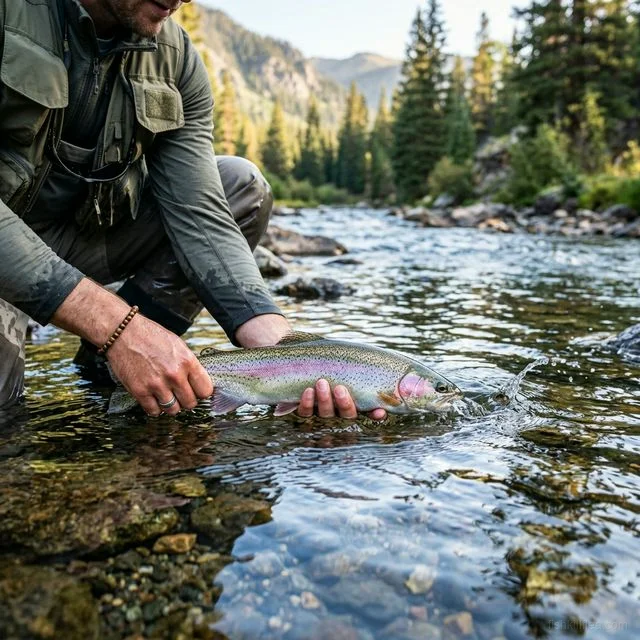
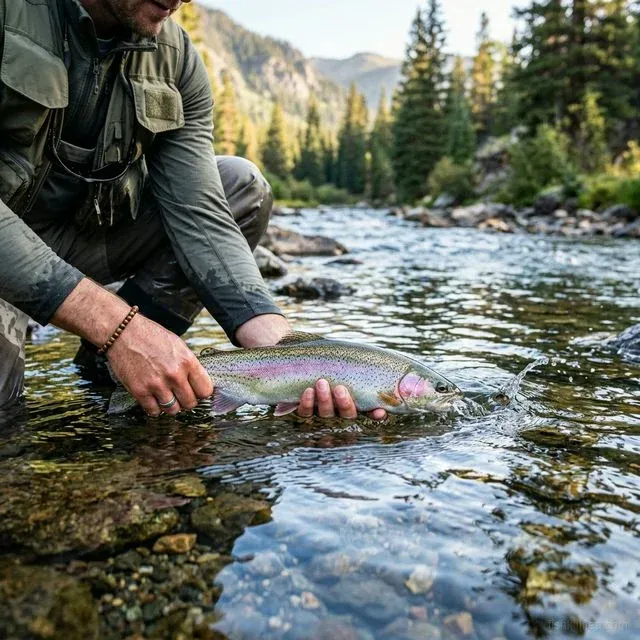
One of the most common questions from new anglers is: “Do I need a fishing license if I’m just catching and releasing?” The short answer is yes — in virtually every US state, you need a valid fishing license to fish, regardless of whether you keep your catch or release it. This guide breaks down the rules, the rare exceptions, and what happens if you’re caught fishing without one.
The Short Answer: Yes, You Need a License
Catch and release still counts as fishing. In all 50 US states, the act of attempting to catch fish — casting a line, setting a hook, reeling in a fish — constitutes fishing under state law. It doesn’t matter whether you intend to keep the fish, eat it, or release it immediately.
The legal definition of “fishing” in most state codes includes language like:
“The act of taking or attempting to take fish by any method or means, whether or not such attempt is successful.”
Since catch and release involves “attempting to take fish,” a valid fishing license is required.

Pflueger President Spinning Reel
Smooth 10-bearing system. Great value for freshwater fishing.
Affiliate link · Prices may vary
Why Catch and Release Still Requires a License
The reasoning is straightforward:
Wildlife officers can’t verify intent. A game warden who approaches you at the water can’t know whether you’ve already kept fish in a cooler, plan to keep the next one, or are purely catch-and-release. Requiring a license for all fishing activity eliminates this ambiguity.
License fees fund conservation. Revenue from fishing licenses funds fish stocking programs, habitat restoration, water quality monitoring, and enforcement — all of which benefit catch-and-release anglers too. Even if you release every fish, you’re using public fisheries resources that need funding.
Catch and release still impacts fish. Released fish experience stress, and a small percentage don’t survive despite best practices. States manage fisheries based on total fishing pressure, which includes catch-and-release activity.

Ugly Stik Elite Spinning Rod
Premium Ugly Stik with improved sensitivity and lighter weight.
As an Amazon Associate, we earn from qualifying purchases. Prices may vary.
State-by-State Catch and Release Rules
The table below summarizes the catch-and-release licensing requirement for every US state:
| State | License Required for C&R? | Notable Exceptions |
|---|---|---|
| Alabama | ✅ Yes | Free for residents on own property |
| Alaska | ✅ Yes | None |
| Arizona | ✅ Yes | Youth under 10 exempt |
| Arkansas | ✅ Yes | Residents under 16 exempt |
| California | ✅ Yes | Free fishing days (2 per year) |
| Colorado | ✅ Yes | Youth under 16 exempt |
| Connecticut | ✅ Yes | Residents under 16 exempt |
| Delaware | ✅ Yes | Residents under 16 exempt |
| Florida | ✅ Yes | Youth under 16 exempt, shoreline residents |
| Georgia | ✅ Yes | Residents under 16 exempt |
| Hawaii | ✅ Yes | Freshwater only requires license |
| Idaho | ✅ Yes | Youth under 14 exempt |
| Illinois | ✅ Yes | Residents under 16 exempt |
| Indiana | ✅ Yes | Residents under 18 exempt |
| Iowa | ✅ Yes | Residents under 16 exempt |
| Kansas | ✅ Yes | Residents under 16 exempt |
| Kentucky | ✅ Yes | Residents under 16 exempt |
| Louisiana | ✅ Yes | Residents under 16 exempt |
| Maine | ✅ Yes | Residents under 16 exempt |
| Maryland | ✅ Yes | Tidal waters (some species) exempt |
| Massachusetts | ✅ Yes | Residents under 15 exempt |
| Michigan | ✅ Yes | Residents under 17 exempt |
| Minnesota | ✅ Yes | Residents under 16 exempt |
| Mississippi | ✅ Yes | Residents under 16 exempt |
| Missouri | ✅ Yes | Residents under 16 exempt |
| Montana | ✅ Yes | Residents under 12 exempt |
| Nebraska | ✅ Yes | Residents under 16 exempt |
| Nevada | ✅ Yes | Residents under 12 exempt |
| New Hampshire | ✅ Yes | Residents under 16 exempt |
| New Jersey | ✅ Yes | Residents under 16 exempt |
| New Mexico | ✅ Yes | Anglers 11 and under exempt |
| New York | ✅ Yes | Residents under 16 exempt |
| North Carolina | ✅ Yes | Residents under 16 exempt |
| North Dakota | ✅ Yes | Residents under 16 exempt |
| Ohio | ✅ Yes | Residents under 16 exempt |
| Oklahoma | ✅ Yes | Residents under 16 exempt |
| Oregon | ✅ Yes | Youth under 12 exempt |
| Pennsylvania | ✅ Yes | Youth under 16 exempt |
| Rhode Island | ✅ Yes | Saltwater fishing exempt |
| South Carolina | ✅ Yes | Residents under 16 exempt |
| South Dakota | ✅ Yes | Residents under 16 exempt |
| Tennessee | ✅ Yes | Residents under 13 exempt |
| Texas | ✅ Yes | Residents under 17 exempt |
| Utah | ✅ Yes | Residents under 12 exempt |
| Vermont | ✅ Yes | Residents under 15 exempt |
| Virginia | ✅ Yes | Residents under 16 exempt |
| Washington | ✅ Yes | Youth under 15 exempt (free license required) |
| West Virginia | ✅ Yes | Residents under 15 exempt |
| Wisconsin | ✅ Yes | Residents under 16 exempt |
| Wyoming | ✅ Yes | Residents under 14 exempt |
Key takeaway: Every single state requires a fishing license for catch and release. The only common exception is age-based exemptions for youth anglers, which vary from under 10 to under 18 depending on the state. See our Age Requirements Guide for details.

Penn Pursuit IV Spinning Combo
Rod and reel combo ready to fish out of the box. Great value for new anglers.
Affiliate link · Prices may vary
When You DON’T Need a License (Even for C&R)
While catch and release always requires a license during normal circumstances, there are a few special situations where fishing without a license is legal:
Free Fishing Days
Most states designate 1–3 days per year when anyone can fish without a license — including catch and release. These are typically held in early June (National Fishing & Boating Week) and/or during state-specific events. See our Free Fishing Days Guide for dates in every state.
Youth Exemptions
Children below a certain age can fish without a license in most states. The age threshold ranges from 10 to 18 depending on the state. An adult with a valid license usually must accompany them.
Private Property (Some States)
A handful of states exempt fishing on your own private property from licensing requirements. However, even in these states, you may still need a license if the waterway is classified as public or navigable. See our Private Property Fishing Guide.
Senior & Disability Exemptions
Some states offer free licenses for seniors over a certain age or individuals with qualifying disabilities. You’re still technically “licensed” — you just don’t pay for it. See our Senior Fishing License Guide and Disabled Fishing License Guide.
Catch and Release Best Practices
Since catch-and-release anglers interact with fish they intend to return alive, following proper technique is both an ethical responsibility and, in many states, a legal requirement:
Handling
- Wet your hands before touching the fish to protect its slime coat
- Support the fish horizontally — never hold a fish vertically by the jaw alone
- Minimize air exposure — keep the fish in or near the water
Hook Removal
- Use barbless hooks whenever possible (required in some waters)
- Use needle-nose pliers or hemostats for quick, clean removal
- Cut the line if the hook is deeply swallowed — the fish has a better survival chance
Release
- Hold the fish facing into the current and allow water to flow through its gills
- Wait until the fish swims away under its own power — don’t throw it
- Avoid fishing in extreme heat — water temperatures above 70°F (21°C) significantly reduce post-release survival for cold-water species like trout
What Happens If You’re Caught Without a License?
Fishing without a valid license — even if you’re practicing catch and release — is a citable offense in every state. Penalties vary but typically include:
- First offense fines: $50–$500 depending on the state
- Repeat offenses: $200–$1,000+ with possible equipment confiscation
- Some states classify fishing without a license as a misdemeanor, which can appear on your criminal record
For a complete breakdown of penalties by state, see our Fishing License Penalties Guide.
Frequently Asked Questions
Do you need a fishing license for catch and release? Yes. In all 50 US states, any fishing activity — including catch and release — requires a valid fishing license. The act of attempting to catch fish constitutes “fishing” under state law regardless of whether you keep the fish.
Can kids fish without a license if they’re doing catch and release? It depends on the state. Most states exempt children under a certain age (typically 14–16) from needing a fishing license for any type of fishing, including catch and release. See our Age Requirements Guide.
Do you need a license for catch and release on private property? In most states, yes. Even on private property, if the waterway is classified as “public waters” or “navigable waters,” a license is required. Only a few states exempt fishing on private ponds that have no connection to public waterways.
What about catch and release from a pier or dock? Yes, a license is required. Pier fishing, dock fishing, bank/surf fishing, and boat fishing all require a valid fishing license.
Is catch and release legal everywhere? Catch and release is legal in all US states. However, some specific waters or species may have mandatory harvest requirements (you must keep certain fish) or mandatory release requirements (you must release certain fish). Always check local regulations before fishing.
For more on who needs a fishing license and when, see our comprehensive Do You Need a Fishing License? guide. Use our License Finder to check requirements for your state, or compare license costs across all 50 states.