 FishKillFlea
· Guides · 6 min read
How to Fish with Worms: The Complete Worm Fishing Guide for Beginners (2026)
Reviewed by FishKillFlea Editorial Team
Worms catch more fish than any other bait. Here's exactly how to rig them, which fish they catch, where to get them, and the 3 best worm rigs.
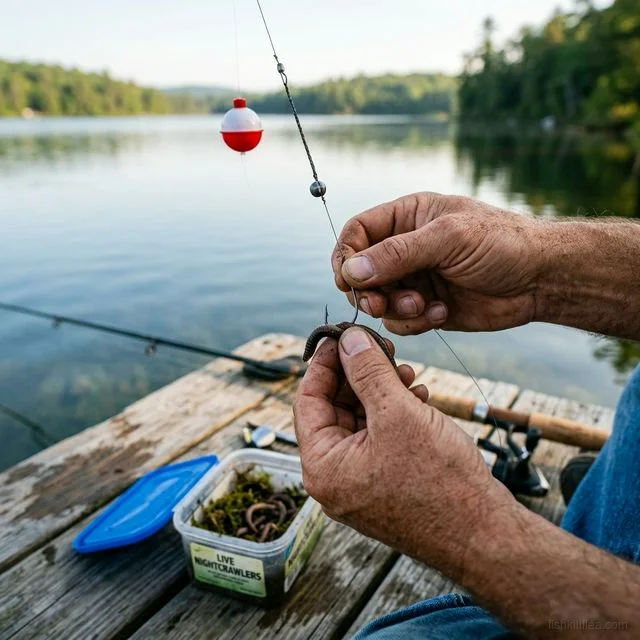
Worms are the single most effective fishing bait on the planet. They catch bass, trout, catfish, walleye, panfish, carp — virtually everything. They’re cheap ($3–$5), available everywhere, and require zero skill to use. If you’re going fishing, bring worms.
What Fish Can You Catch with Worms?
| Fish | Worm Rating | Notes |
|---|---|---|
| Bluegill / sunfish | ⭐⭐⭐⭐⭐ | Use small pieces of worm — the #1 panfish bait |
| Catfish | ⭐⭐⭐⭐⭐ | Whole nightcrawlers or bundles; great channel cat bait |
| Trout | ⭐⭐⭐⭐⭐ | Deadly on stocked and wild trout; drift worms naturally in streams |
| Largemouth bass | ⭐⭐⭐⭐ | Juvenile bass eat worms aggressively; big bass prefer live shiners |
| Smallmouth bass | ⭐⭐⭐⭐ | Excellent, especially nightcrawlers on the bottom |
| Crappie | ⭐⭐⭐ | Works but live minnows are slightly better for crappie |
| Walleye | ⭐⭐⭐⭐ | Worm-and-jig or worm harness; classic walleye presentation |
| Perch | ⭐⭐⭐⭐⭐ | Small worm piece on a small hook = perch magnet |
| Carp | ⭐⭐⭐ | Worms work but corn and dough balls are better for carp |
When in doubt, use worms. If you don’t know what species are in the water, if you don’t know what bait to use, or if nothing else is working — try a worm. It’s the universal fallback.

Pflueger President Spinning Reel
Smooth 10-bearing system. Great value for freshwater fishing.
Affiliate link · Prices may vary
Types of Fishing Worms
| Worm Type | Size | Best For | Where to Buy | Cost |
|---|---|---|---|---|
| Nightcrawlers (Canadian nightcrawlers) | 4–8 inches | Everything — the universal bait | Walmart, gas stations, bait shops | $3–$5/dozen |
| Red wigglers (red worms) | 2–3 inches | Panfish, small trout; too small for bass | Bait shops, vermiculture suppliers | $3–$5/dozen |
| European nightcrawlers | 3–5 inches | Panfish, trout, smallmouth | Bait shops | $4–$6/dozen |
| Earthworms (garden worms) | 2–4 inches | Panfish, trout | Dig from your garden — free | Free |
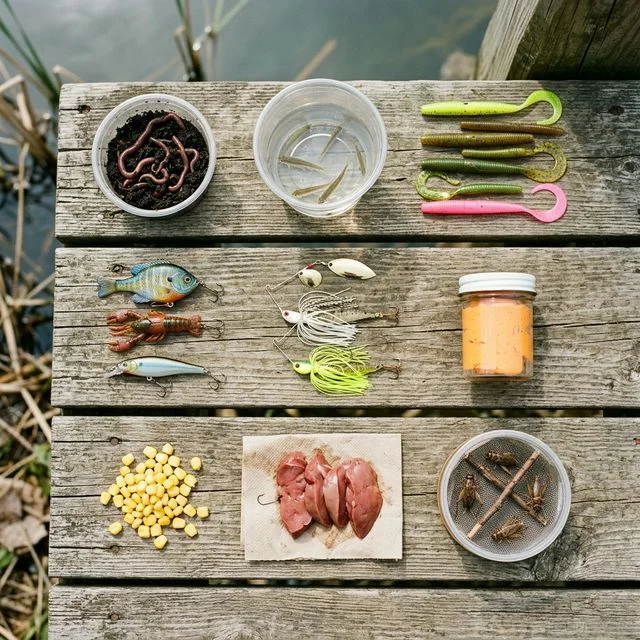
| Wax worms (not actually worms — insect larvae) | 1 inch | Ice fishing panfish, trout | Bait shops | $3–$4/container |
The best choice for most situations: nightcrawlers. They’re big enough for catfish and bass, small enough to cut into pieces for panfish, and available at every Walmart and gas station near a lake.

Ugly Stik Elite Spinning Rod
Premium Ugly Stik with improved sensitivity and lighter weight.
As an Amazon Associate, we earn from qualifying purchases. Prices may vary.
How to Put a Worm on a Hook
Method 1: Thread the Worm (Best for Most Fishing)
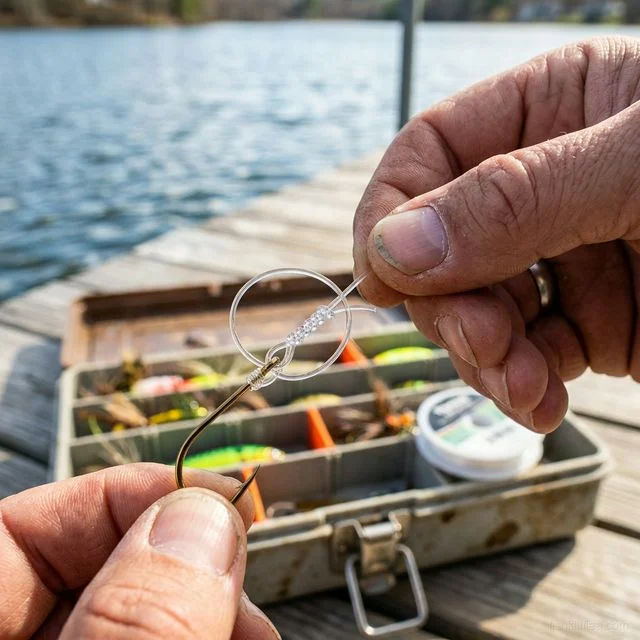
- Push the hook point through the head of the worm (about 1/4 inch in)
- Thread the worm up the hook shank, bunching the worm body along the hook
- Leave 1–2 inches of the tail dangling below the hook point
- The dangling tail wiggles and attracts fish
Best for: General fishing with bobber rigs
Method 2: Worm on a Jig Head (For Walleye & Bass)
- Thread the worm onto a jig head hook (start at the head)
- Push the worm up the hook until it covers the jig head
- Leave the tail trailing behind the jig
- Fish it slowly along the bottom
Best for: Walleye; bouncing along rock/gravel bottoms
Method 3: Pinch Off a Piece (For Panfish)
- Pinch off a 1-inch piece of nightcrawler
- Thread it onto a small hook (size 8–10)
- The small piece is proportioned for bluegill, perch, and crappie mouths
Best for: Bluegill, perch, crappie — any smaller panfish
Method 4: Worm Wad (For Catfish)
- Thread 2–3 whole nightcrawlers onto a large hook (size 2/0–4/0)
- Bunch them into a big worm ball
- The massive scent trail attracts catfish from a distance
Best for: Channel catfish, especially night fishing

Penn Pursuit IV Spinning Combo
Rod and reel combo ready to fish out of the box. Great value for new anglers.
Affiliate link · Prices may vary
The 3 Best Worm Rigs
Rig #1: Bobber and Worm (Easiest — Best for Beginners)
What it catches: Everything — bluegill, trout, bass, perch, catfish
Setup:
- Clip a red/white bobber onto your line 2–4 feet above the end
- Pinch a small split shot sinker 6 inches above the hook
- Tie a size 6–8 bait hook
- Thread a worm onto the hook
How to fish it: Cast near structure (docks, weeds, logs). Watch the bobber. When it dips under the water, wait 2 seconds, then lift the rod to set the hook.
Depth adjustment: Move the bobber up the line to fish deeper, or down to fish shallower. Set the depth so the worm hangs 6–12 inches above the bottom.
Rig #2: Bottom Rig / Carolina Rig (For Catfish & Bottom Feeders)
What it catches: Catfish, carp, large trout, walleye
Setup:
- Thread a 1/2–1 oz egg sinker onto your main line
- Tie a barrel swivel
- Attach 12–24 inches of leader line
- Tie a size 2–2/0 bait hook
- Thread 1–2 nightcrawlers onto the hook
How to fish it: Cast to deeper water. Let the sinker hit the bottom. Set your rod in a holder and wait. The sinker holds the bait near the bottom where catfish and carp feed.
Rig #3: Worm Harness (For Walleye — Drift/Troll)
What it catches: Walleye, perch
Setup:
- A spinner blade attached to a wire arm
- Beads above the blade for color
- Two hooks in tandem (hook 1 in the head, hook 2 in the midsection of the nightcrawler)
- Fished behind a bottom bouncer weight
How to fish it: Slow troll (0.5–1.5 mph) or drift along weed edges and rock reefs. The spinner blade adds flash and vibration. This is the #1 walleye technique on most lakes.
Pre-made worm harnesses are available at any tackle store or Walmart ($3–$5 each). You don’t need to make your own.
Where to Get Worms
| Source | Cost | Availability |
|---|---|---|
| Walmart | $3–$5 per container | Fishing section; most locations carry them |
| Gas stations near fishing areas | $3–$5 | Common near popular lakes and rivers |
| Bait shops | $3–$6 | Widest selection; staff can advise on what’s biting |
| Dig your own | Free | Dig in your garden after rain; turn over logs in moist soil |
| Worm farming (vermiculture) | Free after setup | Red wigglers are easiest to raise at home |
Keep worms cool. Store worm containers in a cooler or in the shade. Worms die quickly in heat (above 80°F). A dead worm still catches fish, but live, wiggling worms are far more effective.
Frequently Asked Questions
Do worms catch all fish? Virtually yes — worms catch bass, trout, catfish, walleye, panfish, perch, carp, and most other freshwater fish. They’re the closest thing to a universal bait.
What size hook should I use for worms? Size 6–8 for general fishing and panfish. Size 2–2/0 for catfish and larger bass. Size 10–12 for small pieces targeting trout and perch. Match the hook to the piece of worm you’re using.
Should I use a whole worm or a piece? For panfish (bluegill, perch): use a small piece — their mouths are small. For bass and trout: use half a nightcrawler. For catfish: use whole nightcrawlers or multiple worms.
Are nightcrawlers the same as earthworms? No — nightcrawlers are larger (4–8 inches) and are the best all-purpose fishing worms. Regular garden earthworms are smaller and work well for panfish and small trout but are too small for bass and catfish.
Can I use artificial worms instead of real ones? Yes — plastic “worms” work great for bass (especially Texas rigged). But for other species (trout, panfish, walleye), real worms almost always outperform artificial ones. Berkley Gulp worms are a good artificial alternative with scent.
For complete gear setup, see What You Need to Go Fishing. For knots, see Fishing Knots Guide. For more bait options, see Best Bait Guide.