 FishKillFlea
· Guides · 5 min read
How to Catch Trout: Stocked & Wild Trout Tips for Beginners (2026)
Reviewed by FishKillFlea Editorial Team
Trout are the most popular freshwater fish in America. Here's how to catch them — whether they're stocked in a park pond or wild in a mountain stream.
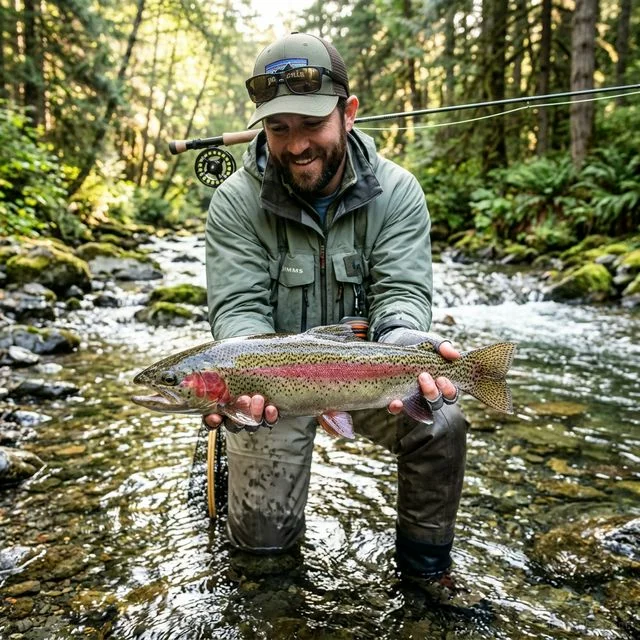
Trout are the gateway fish for millions of Americans. They’re stocked in thousands of lakes, streams, and park ponds across the country, they fight beautifully, and they taste amazing. Whether you’re targeting freshly stocked rainbows or wild brown trout in a mountain stream, this guide covers everything.
Stocked Trout vs. Wild Trout
| Stocked Trout | Wild Trout | |
|---|---|---|
| Where | State-stocked lakes, streams, and park ponds | Natural streams, rivers, high-altitude lakes |
| Species | Rainbow trout (most common), brook trout, brown trout | Brown trout, brook trout, rainbow trout, cutthroat |
| Difficulty | ⭐ Easy — they’re trained to eat pellets | ⭐⭐⭐ Harder — selective, spooky, in moving water |
| Best bait | PowerBait, nightcrawlers, corn (where legal) | Live nymphs, small spinners, fly fishing |
| Season | Shortly after stocking (check your state’s schedule) | Year-round (where open) |
| Size | 9–14 inches typically | 6–20+ inches depending on water |

Wild Water Fly Fishing Starter Package
Complete 5/6 weight fly rod, reel, line, leader, and flies. Everything to start fly fishing.
Affiliate link · Prices may vary
How to Catch Stocked Trout (Easiest Method)
Gear Setup
| Item | Recommendation | Cost |
|---|---|---|
| Rod/reel | 5’6”–6’ ultralight spinning combo | $20–$40 |
| Line | 4–6 lb monofilament | $5 |
| Hooks | Size 8–10 bait hooks or size 12 treble hooks | $3 |
| Bait | Berkley PowerBait (orange or chartreuse) OR nightcrawlers | $4–$5 |
| Bobber | Small clip-on bobber (optional) | $2 |
| Sinkers | Small split shot sinkers | $2 |
The PowerBait Bottom Rig (Most Effective for Stocked Trout)
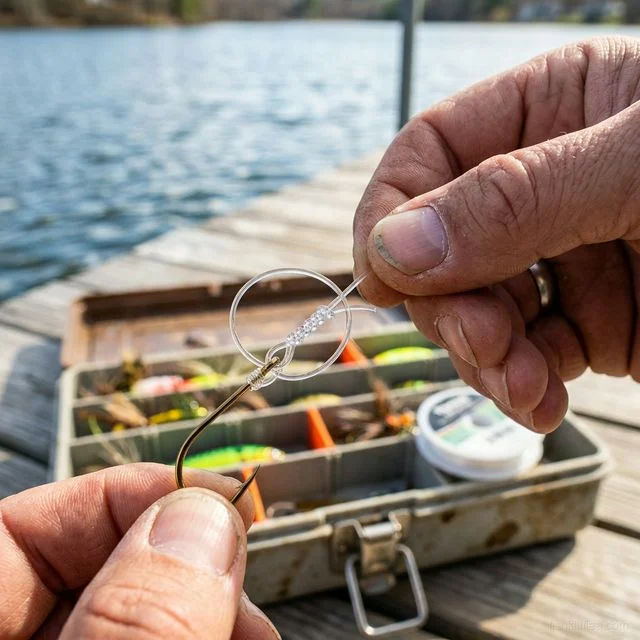
- Thread a small sliding sinker (1/4 oz) onto your main line
- Tie a small barrel swivel
- Attach 18–24 inches of 4 lb leader to the other end of the swivel
- Tie a size 12 treble hook
- Roll a pea-sized ball of PowerBait around the treble hook (all 3 hook points covered)
- Cast to deeper water (stocked trout often settle in deeper areas)
- Let it sink — the PowerBait floats up off the bottom on the leader, making it visible
Why this works: Stocked trout are raised on pellet food. PowerBait mimics the smell and texture of those pellets. The floating rig suspends the bait right at the trout’s eye level.
The Bobber and Worm Rig (Simplest Method)
- Clip a small bobber 3–4 feet above the hook
- Add a split shot sinker 6 inches above the hook
- Thread a piece of nightcrawler (half a worm, not the whole thing) onto a size 8 hook
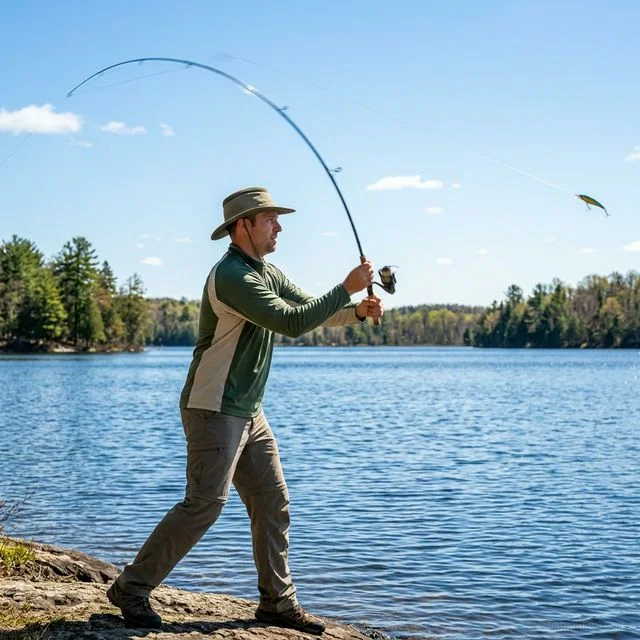
- Cast near where trout were stocked
- Watch the bobber — when it goes under, set the hook

Rio Mainstream Trout Fly Line
Weight-forward taper for easy casting. Perfect for trout and panfish.
As an Amazon Associate, we earn from qualifying purchases. Prices may vary.
How to Catch Wild Trout
Strategy Changes for Wild Fish
| Factor | Stocked Trout | Wild Trout |
|---|---|---|
| Approach | Walk right up; they’re not spooked easily | Stay low, approach from downstream, walk quietly |
| Bait/lure presentation | Drop it in and wait | Natural drift essential — your bait must look natural in the current |
| Line visibility | Not critical | Use 2–4 lb fluorocarbon (invisible underwater) |
| Time of day | Any time after stocking | Early morning when hatches occur |
Best Lures for Wild Trout
| Lure | How to Fish It | When |
|---|---|---|
| Rooster Tail spinner (1/8 oz) | Cast upstream, reel at medium speed as it drifts back | Year-round; best in clear water |
| Panther Martin spinner | Same as Rooster Tail — try gold blade in stained water | Spring and fall |
| Small Rapala (floating, 2 inches) | Cast upstream of a pool, twitch as it drifts into the pool | Spring and fall; best for bigger trout |
| Trout Magnet jigs | Drift through current on light jig heads | Year-round; excellent in low, clear water |
Fly Fishing for Trout (If You Want to Level Up)
| Fly Type | When to Use | Example |
|---|---|---|
| Dry fly | When you see trout rising (eating bugs on the surface) | Elk Hair Caddis, Adams, Blue-Winged Olive |
| Nymph | 80% of the time — trout feed below the surface most of the day | Pheasant Tail, Hare’s Ear, Prince Nymph |
| Streamer | When targeting big trout or in high/stained water | Woolly Bugger (olive or black) |
The Woolly Bugger rule: If you only own one fly, make it a size 8 olive Woolly Bugger. It imitates leeches, minnows, crawfish, and large nymphs. It catches every species of trout everywhere.

Trout Magnet Original Kit
Complete trout lure system with jig heads and bodies. Works in streams and stocked ponds.
Affiliate link · Prices may vary
Where to Find Trout
In Stocked Waters
| Location | Notes |
|---|---|
| Near the stocking point | Trout often stay near where they were released for the first few days |
| Deeper water (in lakes) | Trout seek comfortable water temps — deeper in summer, shallower in spring/fall |
| Near inflows (creek mouths) | Cooler, oxygenated water attracts trout |
| Shaded banks | Trout escape heat under overhanging trees |
In Wild Streams
| Location | Why Trout Are There |
|---|---|
| Pool tailouts | Where a deep pool shallows out — trout sit here to intercept drifting food |
| Behind rocks | Current break creates a calm pocket — trout rest here facing upstream |
| Undercut banks | Natural cover from overhead predators (herons, ospreys) |
| Riffle-to-pool transitions | Turbulent water carries food into the calm pool where trout wait |
| Foam lines | Surface foam collects insects — trout feed along these lines |
When to Catch Trout
| Month | Rating | Notes |
|---|---|---|
| March–April | ⭐⭐⭐⭐⭐ | Opening Day in many states; heavy stocking; trout are hungry |
| May | ⭐⭐⭐⭐ | Spring hatches; excellent dry fly fishing; stocking continues |
| June | ⭐⭐⭐ | Water warming up; fish early morning; trout go deeper |
| July–August | ⭐⭐ | Stress period — water temps over 65°F endanger trout; fish high-elevation streams only |
| September–October | ⭐⭐⭐⭐⭐ | Fall stocking; brown trout spawn; excellent fishing with fewer crowds |
| November–December | ⭐⭐⭐ | Cold weather slows trout; winter fishing possible in tailwaters and spring creeks |
| January–February | ⭐⭐ | Slow but possible; midday is best in winter |
Summer heat warning: Trout are cold-water fish. When water temperatures exceed 68°F, trout become stressed and can die after being caught — even if released. In summer, either fish early morning/high elevation or switch to bass/catfish until water cools.
Trout License Requirements
| Requirement | Details |
|---|---|
| Fishing license | Required in all states |
| Trout stamp | Required in ~15 states on TOP of the regular license (extra $5–$15) |
| States requiring trout stamps | GA, NC, WV, VA, IA, MO, and others — see Trout Stamp Guide |
| Catch limits | Typically 5–8 trout per day on stocked streams; 2–4 on wild streams |
| Size limits | Often 7–9 inch minimum on stocked; higher on trophy/wild waters |
Frequently Asked Questions
What is the best bait for trout? For stocked trout: Berkley PowerBait (the orange or chartreuse dough bait). For wild trout: small spinners (Rooster Tail) or live worms drifted naturally in the current. See Best Bait Guide.
What time of day is best for trout fishing? Early morning (6–10 AM) is best. Trout feed most actively during morning insect hatches. Evening (5–8 PM) is the second-best window. Avoid midday in summer — hot water stresses trout.
Do I need a trout stamp? About 15 states require a separate trout stamp in addition to your fishing license. Check our Trout Stamp Guide for your state.
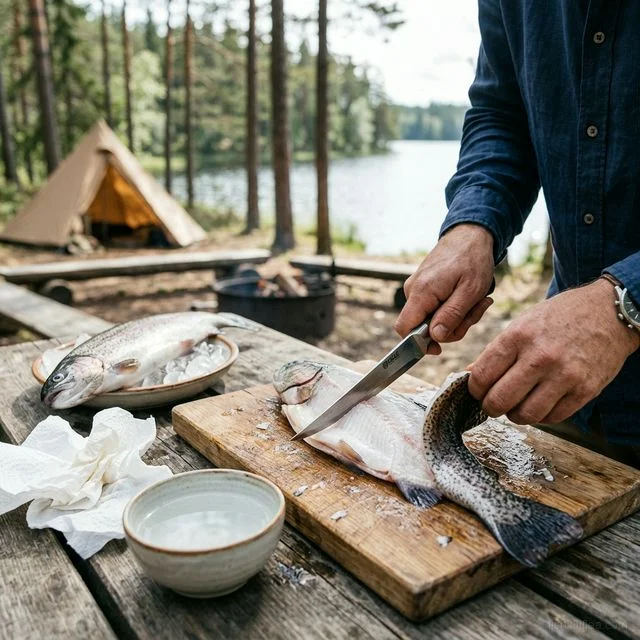
Can I eat trout? Absolutely — trout is one of the best-tasting freshwater fish. Pan-fried rainbow trout is a classic. How to clean trout. Check fish consumption advisories for mercury warnings on specific waters.
Where do states stock trout? Every state publishes a stocking schedule. Search “[your state] trout stocking schedule 2026” to find dates and locations. Most states stock weekly from March through May and again in September–October.
For license info, see Trout License Guide. For gear, see What You Need to Go Fishing. For seasons, see Fishing Season Calendar.