 FishKillFlea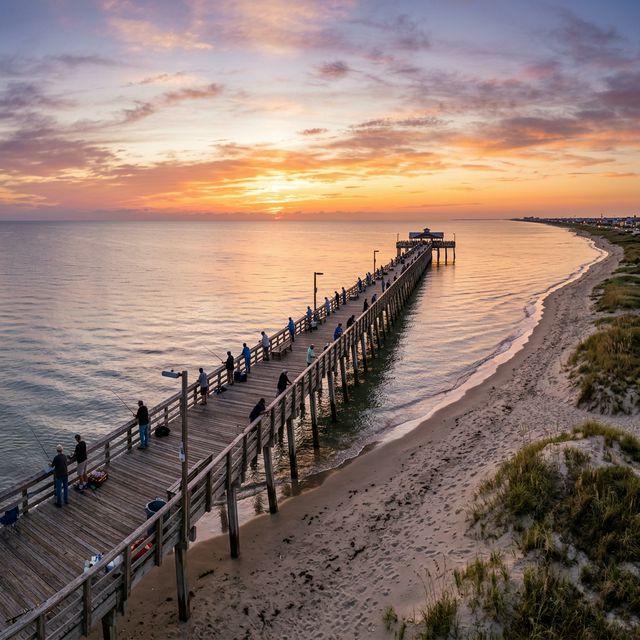
Fishing the Texas Gulf Coast requires a fundamentally different license than fishing inland lakes. The Texas Parks and Wildlife Department (TPWD) enforces a strict saltwater endorsement system to fund the management of coastal fisheries — and a standard freshwater license will result in a citation if you’re caught fishing bays, estuaries, or open Gulf waters.
This guide covers the exact endorsement packages and pricing, the state park exemption (and its precise limitations), charter boat requirements, Red Snapper dual-jurisdiction rules, and the critical boundary between freshwater and saltwater jurisdictions.
The Saltwater Endorsement Requirement
To legally fish or possess fish caught in Texas coastal waters, you must carry a Saltwater Endorsement. TPWD bundles this endorsement into specific license packages rather than selling it as a standalone stamp.
License Options Comparison
| Package | Resident | Non-Resident | Covers |
|---|---|---|---|
| Annual Freshwater Only | $30 | $58 | Lakes, rivers, streams only |
| Annual Saltwater Only | $35 | $63 | Bays, estuaries, Gulf only |
| Annual All-Water | $47 | $68 | Everything (freshwater + saltwater) |
| One-Day All-Water | N/A | $16 | Single day, all waters |
Decision Point: If you are a resident who primarily fishes freshwater but makes even one coastal trip per year, the All-Water Package ($47) is better value than buying Freshwater ($30) and Saltwater ($35) separately — saving $18 and eliminating the risk of carrying the wrong license.
Both the Saltwater and All-Water packages include the Red Drum Tag and Spotted Seatrout Tag, which entitle you to keep one oversized fish of each species per license year.

Yo-Zuri Crystal 3D Minnow
Holographic finish attracts fish. Great for inshore saltwater species.
Affiliate link · Prices may vary
State Waters vs. Federal Waters
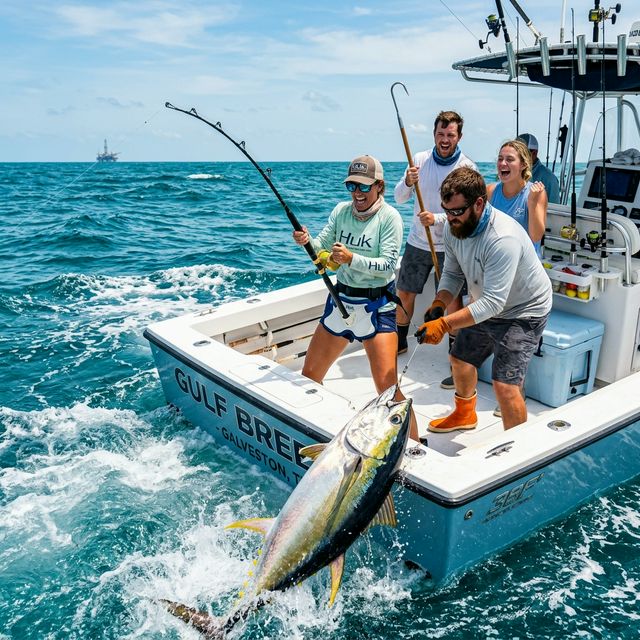
When fishing the Gulf of Mexico, understanding the jurisdictional boundary is critical — because species limits, seasons, and even minimum sizes change depending on where you are.
Texas State Waters extend exactly 9 nautical miles from the shoreline (most Gulf states only claim 3 nm). Within this 9-mile boundary, TPWD sets all rules — bag limits, size limits, seasons, and licensing.
Federal Waters (Exclusive Economic Zone) begin beyond 9 nautical miles and extend to 200 nm. Federal regulations (managed by NOAA/NMFS) govern species management here, but you must still hold a valid Texas Saltwater or All-Water license to land any fish caught in federal waters at a Texas dock.
Red Snapper: The Dual-Jurisdiction Case Study
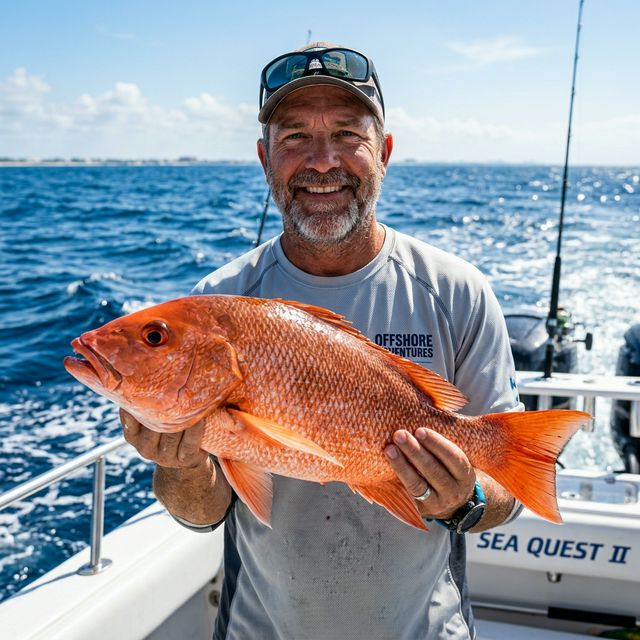
Red Snapper is the most dramatic example of how state and federal rules diverge. The regulations differ significantly:
| Rule | Texas State Waters (0–9 nm) | Federal Waters (9+ nm) |
|---|---|---|
| Season | Year-round | June 1 – Nov 21 (2025 dates) |
| Daily Bag Limit | 4 per person | 2 per person |
| Minimum Size | 15 inches | 16 inches |
| Monitoring | TPWD | NOAA/NMFS + TPWD |
Practical implication: If you catch Red Snapper in federal waters during the open season, the federal bag limit (2/day) and minimum size (16 inches) apply. Red Snapper caught in federal waters count toward your state bag limit when you land them in Texas. TPWD monitors private recreational landings and may request an early closure if the annual catch limit is approached.

Penn Battle III Surf Spinning Combo
10-foot surf rod with Penn Battle III reel. Built for beach casting stripers and bluefish.
As an Amazon Associate, we earn from qualifying purchases. Prices may vary.
Charter Boat License Requirements
Unlike some states that issue vessel-wide fishing permits covering all passengers, Texas requires every individual angler on a charter to hold their own valid fishing license. This applies to both inshore bay charters and offshore Gulf trips.
Who needs a license on the charter:
- Every angler aged 17 or older must possess a Saltwater or All-Water license
- Youth under 17 are exempt (statewide age exemption applies on charters)
- Texas residents born before January 1, 1931 are exempt
Who does NOT need a license:
- Crew members who are operating the vessel but not fishing
- Observers/passengers who are not handling fishing equipment
Charter Captain Tip: Most charter operations along the Texas coast (Port Aransas, South Padre, Galveston, Freeport) sell fishing licenses directly on the dock or can direct you to the nearest retailer. Don’t assume the captain’s vessel license covers you.

Penn Battle III Spinning Reel
Full metal body and sideplate. HT-100 carbon fiber drag washers for smooth performance.
Affiliate link · Prices may vary
The State Park Pier and Shore Exemption
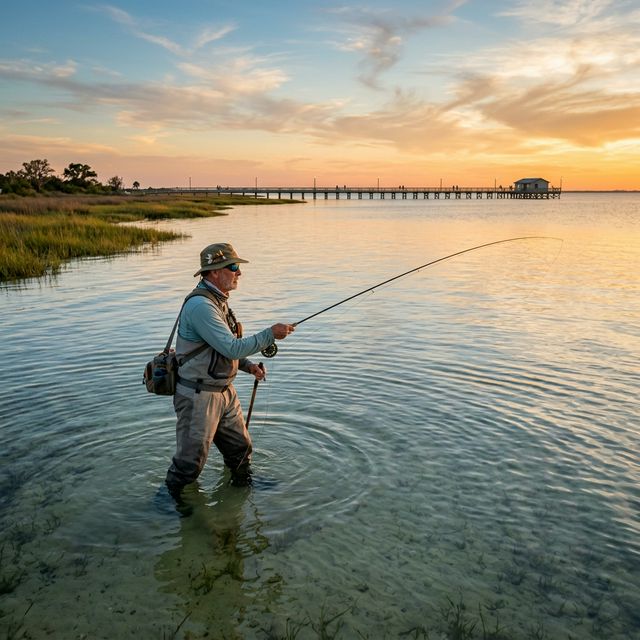
TPWD provides one of the most generous fishing exemptions in the country for state parks. If you are fishing within the boundaries of a Texas State Park, you do not need any fishing license or saltwater endorsement — with specific conditions.
What IS Exempt (No License Required)
- Fishing from a pier or dock within the state park
- Fishing from the bank or shoreline within the state park
- Wade fishing in the surf or shallows along state park shores
- Fishing in a lake or pond entirely enclosed within the state park (from shore or boat)
What is NOT Exempt (License Required)
- Fishing from a boat on a public-use lake that the state park happens to border (the lake is managed separately)
- Fishing outside the official state park boundary lines
Additional State Park Fishing Rules
Even under the exemption, these rules still apply:
- Pole-and-line only from man-made structures (docks, piers, jetties)
- Maximum 2 poles per person when fishing from structures
- All statewide bag limits, size limits, and slot limits remain fully enforced
- Standard state park entrance fees still apply (free for disabled veterans with a Parklands Pass)
Best Coastal State Parks for License-Free Fishing
| Park | Location | What to Expect |
|---|---|---|
| Goose Island SP | Rockport | 1,620-foot lighted pier into Aransas Bay. Year-round Redfish, Trout, Black Drum |
| Galveston Island SP | Galveston | Bay shore access, wade fishing, family-friendly |
| Mustang Island SP | Port Aransas | 5 miles of Gulf beach. Surf fishing access |
| South Padre Island BP | South Padre | Laguna Madre shore fishing, Snook in summer |
The Freshwater-Saltwater Boundary
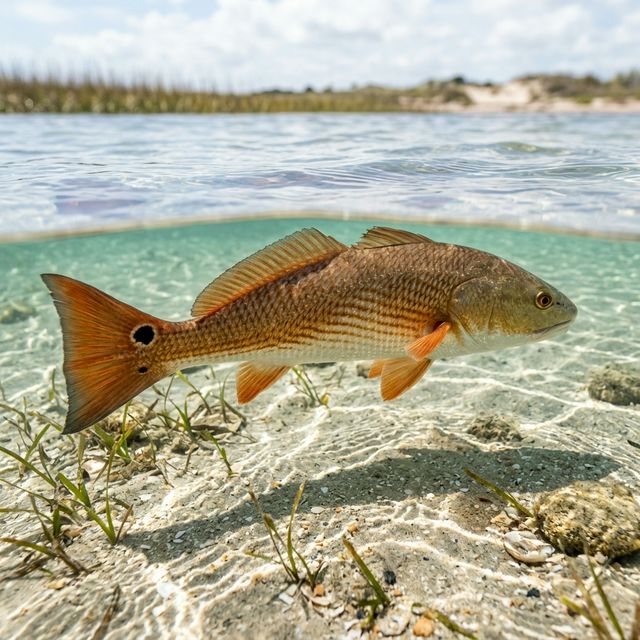
TPWD defines precise boundary lines between freshwater and saltwater jurisdictions. These boundaries are typically marked at specific highway bridges near the coast. Above the bridge = freshwater rules and licensing. Below the bridge = saltwater rules and licensing.
Common boundary points include locations on the Colorado River, Guadalupe River, San Antonio River, and Nueces River where they transition into coastal bays and estuaries.
If you are fishing near a boundary and unsure which jurisdiction applies, the safest option is always the All-Water Package ($47 resident / $68 non-resident) — it covers both sides of the line and eliminates any risk of an accidental violation.