 FishKillFlea
· Guides · 7 min read
How to Clean a Fish: Step-by-Step Guide for Beginners (2026)
Reviewed by FishKillFlea Editorial Team
From gutting to filleting — how to clean every common freshwater and saltwater fish in under 5 minutes. Includes tools you need, mistakes to avoid, and how to store your catch.
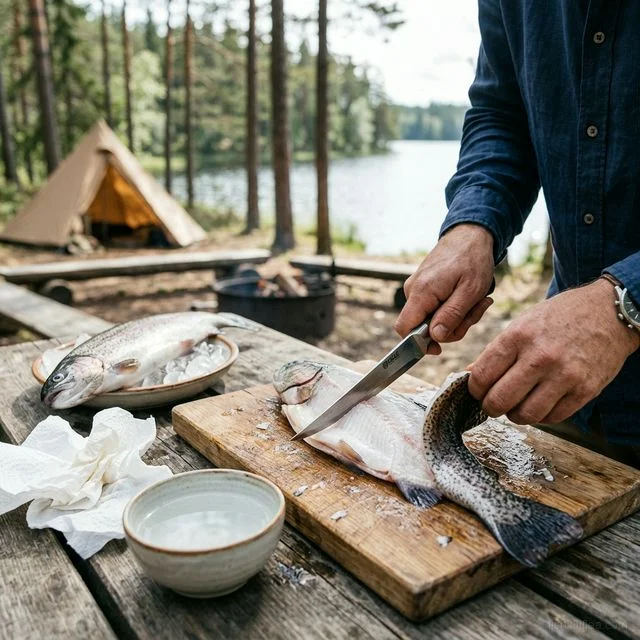
You caught a fish — now what? Cleaning a fish intimidates most beginners, but it’s a simple skill that takes 5 minutes once you know the steps. This guide covers gutting, filleting, and storing your catch.
What You Need
| Tool | Why | Cost |
|---|---|---|
| Fillet knife (flexible, 6–9 inch blade) | The right knife makes everything easier | $10–$30 |
| Cutting board | Stable surface; fish-dedicated board recommended | $5–$15 |
| Bucket of clean water | Rinsing the fish and your hands | Free |
| Paper towels or newspaper | Cleanup and grip | $3 |
| Plastic bags | Store cleaned fillets | $3 |
| Cooler with ice | Keep fish cold until cleaning | Bring from home |
| Pliers (optional) | Pulling out pin bones | Already in your tackle box |
The knife matters. A dull knife makes filleting difficult and dangerous. A sharp, flexible fillet knife ($10–$15 at Walmart) is the single most important tool. Don’t use a kitchen chef’s knife — it’s too rigid.
Method 1: Gutting a Whole Fish (Easiest Beginner Method)
Best for: Trout, panfish, catfish, and any fish you plan to cook whole
Step-by-Step
Step 1: Rinse the fish under cold water to remove slime and debris.
Step 2: Scale the fish (skip for trout/catfish). Hold the fish firmly by the tail. Scrape a spoon or fish scaler from tail to head against the grain of the scales. Do both sides. Rinse.
Step 3: Make the belly cut. Insert the tip of your knife into the fish’s vent (the small opening near the tail on the belly). Cut forward along the belly to the gills. Use shallow cuts — you don’t want to puncture the intestines.
Step 4: Remove the guts. Reach inside and pull out all the internal organs in one motion. They should come out as a connected mass. Remove the dark kidney line along the spine — scrape it out with your thumbnail or a spoon.
Step 5: Remove the gills (optional). Cut the gills away from both sides of the head. This improves taste and presentation.
Step 6: Rinse thoroughly. Rinse the body cavity with cold water until no blood or organ remnants remain. Pat dry with paper towels.
Done. Your fish is ready to cook whole — baked, grilled, or pan-fried.

Pflueger President Spinning Reel
Smooth 10-bearing system. Great value for freshwater fishing.
Affiliate link · Prices may vary
Method 2: Filleting (Boneless Fillets)
Best for: Bass, walleye, crappie, perch, and any fish you want boneless
Step-by-Step
Step 1: Lay the fish flat on the cutting board. Make a cut behind the head, angling the knife toward the head, cutting down to the backbone. Don’t cut through the backbone.
Step 2: Turn the knife. Once you hit the backbone, turn the knife so the blade is flat and facing the tail.
Step 3: Run the knife along the backbone from head to tail. Use long, smooth strokes. Let the backbone guide the knife — you should feel the blade riding over the rib bones. Cut all the way to the tail and through the skin.
Step 4: Remove the fillet. You should have a complete side of fish separated from the bones. Set it aside skin-side down.
Step 5: Flip the fish and repeat steps 1–4 on the other side.
Step 6: Remove the rib bones. Lay each fillet skin-side down. Slide the knife under the rib bones at a slight angle and cut them away from the flesh. This takes practice — don’t worry if you lose some meat at first.
Step 7: Skin the fillet (optional). Place the fillet skin-side down at the edge of the board. Hold the tail end of the skin firmly. Slide the knife between the flesh and skin, angling slightly downward toward the skin. Saw back and forth while pulling the skin taut.
Step 8: Rinse and check for bones. Run your finger along the fillet to feel for pin bones. Pull them out with pliers or tweezers.
Done. Two boneless, skinless fillets ready for the pan.
Method 3: Cleaning Catfish (Different Process)
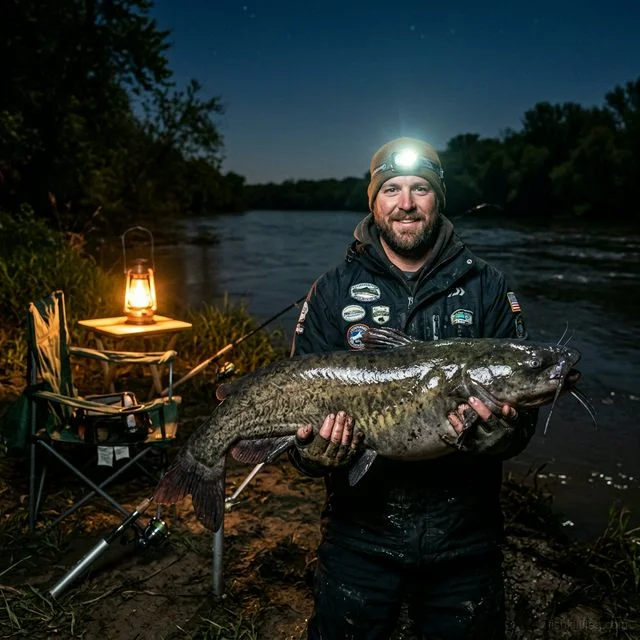
Catfish have no scales — they have tough skin that must be removed differently:
Step 1: Make a cut behind the head all the way around, cutting through the skin.
Step 2: Use pliers to grip the skin at the cut. Pull the skin toward the tail — it should peel off like a glove.
Step 3: Gut the fish using the belly cut method above.
Step 4: Remove the head by cutting through the backbone behind the skull.
Step 5: Fillet or cook whole — your choice. Catfish fillets are thick and easy to work with.
Catfish tip: Nail the head to a board or use a catfish skinner tool for easier skin removal. The skin is tough and slippery — pliers are essential.

Ugly Stik Elite Spinning Rod
Premium Ugly Stik with improved sensitivity and lighter weight.
As an Amazon Associate, we earn from qualifying purchases. Prices may vary.
How Long Do You Have to Clean a Fish?
| Situation | Time Limit | Storage Method |
|---|---|---|
| On ice in a cooler | Clean within 6–8 hours | Whole fish on ice; belly cavity facing down |
| On a stringer in the water | Clean within 2–4 hours | Water temperature matters — warm water = less time |
| In a live well | Clean within 4–6 hours | Keep live well aerated |
| Left on the bank / in the sun | Clean IMMEDIATELY | Fish quality degrades rapidly in heat |
The golden rule: The sooner you clean the fish, the better it tastes. Clean your fish within 1–2 hours of catching it whenever possible. If you can’t, keep it alive (stringer/live well) or on ice.
5 Beginner Mistakes to Avoid
| Mistake | Why It’s Bad | Fix |
|---|---|---|
| Using a dull knife | Ragged cuts, wasted meat, dangerous | Sharpen your fillet knife or buy a new one ($10) |
| Puncturing the guts | Contaminates the meat with bile (tastes terrible) | Use shallow belly cuts; start from the vent |
| Not removing the kidney line | The dark blood line along the spine tastes bitter | Scrape it out with a spoon or thumbnail |
| Leaving fish in the sun | Bacteria multiply rapidly in heat; meat spoils | Ice immediately or keep on a stringer in the water |
| Cutting into the rib cage too deep | Breaks ribs into the fillet = bone fragments | Let the knife ride over the ribs; don’t force it |

Penn Pursuit IV Spinning Combo
Rod and reel combo ready to fish out of the box. Great value for new anglers.
Affiliate link · Prices may vary
How to Store Cleaned Fish
| Method | How Long It Lasts | Best For |
|---|---|---|
| Refrigerator (on ice in a sealed bag) | 1–2 days | Eating tonight or tomorrow |
| Freezer (vacuum sealed) | 6–12 months | Long-term storage |
| Freezer (water glaze method) | 3–6 months | If you don’t have a vacuum sealer |
| Freezer (zip-lock bag) | 1–3 months | Quick storage; more freezer burn risk |
Water glaze method: Place fillets in a container, cover with water, and freeze solid. The ice block around the fish prevents freezer burn without a vacuum sealer.
Where to Clean Your Fish
| Location | Pros | Cons |
|---|---|---|
| Fish cleaning station at the lake/park | Running water, table, waste disposal | May be crowded; available at larger boats ramps |
| At your campsite | Convenient if camping | Dispose of waste properly; attract wildlife |
| At home | Comfortable, all tools available | Smell; clean sink thoroughly after |
| At the boat ramp | Near the water; can dispose remains in designated waste cans | Time pressure from other boaters |
Never dump fish guts in the water near a boat ramp or swimming area. Most states have regulations about fish waste disposal. Use designated cleaning station waste bins or bury remains well away from water and trails.
Frequently Asked Questions
How do you clean a fish for the first time? Start with the gutting method — it’s the easiest. You need a sharp fillet knife. Make a shallow belly cut from the vent to the gills, remove the internal organs, scrape out the blood line, and rinse with cold water. That’s it — you can cook the fish whole.
Do you have to gut a fish right away? Not immediately, but do it within a few hours — especially in warm weather. Keep the fish on ice or in a live well until you can clean it. The sooner you clean it, the better it tastes.
Can you eat the skin? Yes — most fish skin is edible and delicious when crispy (trout, salmon, bass, perch). Catfish skin is tough and unpleasant — always remove it. Fish skin is nutritious and gets crispy when pan-fried or grilled.
What’s the easiest fish to clean? Panfish (bluegill, crappie, perch) are the easiest to clean. They’re small enough to gut and cook whole, or you can quickly fillet them with 2 cuts per side. Trout are also very easy — they have no scales and the meat falls off the bone after cooking.
Do I need to scale a trout? No — trout have very small, soft scales that don’t need to be removed. You can cook trout with the skin on, scales included. Same goes for catfish (no scales at all).
For licensing info, see our Cost Guide. For gear, see What You Need to Go Fishing. For species, see our Trout Guide and Bass Tips.