 FishKillFlea
· Special Groups · 6 min read
Tribal Fishing License Guide (2026) — Reservation Rules, Treaty Rights & Native American Fishing
Reviewed by FishKillFlea Editorial Team
Complete guide to fishing on tribal reservations and Native American lands. Covers tribal fishing license requirements, treaty rights, specific tribe programs, and how tribal licenses interact with state permits.
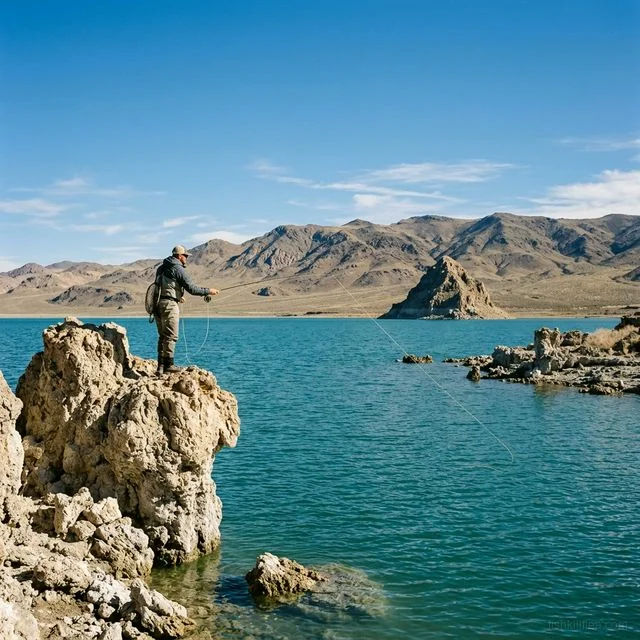
Fishing on tribal reservation lands and waters is governed by a separate set of rules from state fishing regulations. In most cases, you’ll need a tribal fishing permit instead of (or in addition to) your state fishing license. This guide covers tribal fishing license requirements, major tribal fishing programs, treaty rights, and how tribal sovereignty affects your fishing plans.
How Tribal Fishing Licenses Work
Native American tribal nations are sovereign entities with the authority to manage fish and wildlife on their reservation lands. This means:
- State fishing licenses are NOT valid on most tribal reservation waters
- Tribal fishing permits are required for non-tribal members to fish on reservation lands
- Tribal members may fish on their own reservation waters without a state license (in most cases)
- Regulations (bag limits, seasons, methods) are set by the tribe, not the state
Key point: Tribal and state fishing regulations can be very different. Always check the specific tribe’s rules before fishing on reservation waters — don’t assume state rules apply.

Pflueger President Spinning Reel
Smooth 10-bearing system. Great value for freshwater fishing.
Affiliate link · Prices may vary
Major Tribal Fishing Programs
Here are the most popular tribal fishing destinations that issue permits to non-tribal members:
Navajo Nation (AZ, NM, UT)
| Detail | Information |
|---|---|
| Permit required | Navajo Nation fishing permit |
| Where to buy | Navajo Fish & Wildlife offices, local vendors, online at navajofw.org |
| Cost (daily) | $10 (non-member), free (Navajo tribal member) |
| Cost (annual) | $40 (non-member) |
| Popular waters | Wheatfields Lake, Tsaile Lake, Many Farms Lake, Morgan Lake |
| Special rules | Catch-and-release only on some waters, tribal bag limits apply |
The Navajo Nation spans 27,413 square miles (the largest reservation in the US) and offers excellent trout and bass fishing across dozens of lakes and streams.
Eastern Band of Cherokee Indians (NC)
| Detail | Information |
|---|---|
| Permit required | Cherokee fishing permit (separate from NC state license) |
| Where to buy | Cherokee Welcome Center, local tackle shops, online |
| Cost (daily) | $10 |
| Cost (annual) | $25 |
| Popular waters | Oconaluftee River, Raven Fork, trophy trout streams |
| Special rules | No state license required on tribal waters, tribal limits apply |
Cherokee tribal waters are famous for their excellent trout fishing, with regularly stocked streams holding rainbow, brown, and brook trout.
Yakama Nation (WA)
| Detail | Information |
|---|---|
| Permit required | Yakama Nation fishing permit |
| Where to buy | Yakama Nation Wildlife office |
| Cost (daily) | $15 |
| Cost (annual) | $50 |
| Popular waters | Toppenish Creek, tribal-managed Columbia River access |
| Special rules | Limited access areas, seasonal restrictions |
San Carlos Apache Tribe (AZ)
| Detail | Information |
|---|---|
| Permit required | San Carlos recreation permit + fishing tag |
| Where to buy | San Carlos Recreation & Wildlife offices |
| Cost (daily) | $15–$25 (varies by species/water) |
| Cost (annual) | $75–$125 |
| Popular waters | San Carlos Lake (trophy bass), lakes and streams |
| Special rules | Slot limits, species-specific tags |
San Carlos Lake is one of the top bass fishing destinations in the Southwest, known for producing trophy largemouth bass.
White Mountain Apache Tribe (AZ)
| Detail | Information |
|---|---|
| Permit required | White Mountain Apache recreation permit + fishing permit |
| Where to buy | WMAT Game & Fish offices, online |
| Cost (daily) | $10–$20 |
| Cost (annual) | $80–$100 |
| Popular waters | Hawley Lake, Sunrise Lake, Earl Park Lake, 400+ miles of streams |
| Special rules | Catch-and-release areas, trophy trout waters |
Other Notable Tribal Fishing Programs
| Tribe | Location | Known For | Permit Cost (Daily) |
|---|---|---|---|
| Flathead Reservation (CSKT) | Montana | Bull trout, Flathead Lake | $15 |
| Wind River Reservation | Wyoming | Trophy trout, high mountain lakes | $12 |
| Jicarilla Apache | New Mexico | Trophy trout, Dulce Lake | $15 |
| Mescalero Apache | New Mexico | Mountain trout streams | $12 |
| Warm Springs | Oregon | Deschutes River access | $10 |
| Blackfeet Nation | Montana | High alpine lakes, trout | $25 |
| Crow Reservation | Montana | Bighorn River access | $15 |
| Pine Ridge (Oglala Lakota) | South Dakota | Walleye, bass | $10 |
| Standing Rock Sioux | ND/SD | Lake Oahe access | $10 |

Ugly Stik Elite Spinning Rod
Premium Ugly Stik with improved sensitivity and lighter weight.
As an Amazon Associate, we earn from qualifying purchases. Prices may vary.
Do Native Americans Need a Fishing License?
This is a complex legal question with a nuanced answer:
On Their Own Reservation
No state license is required. Enrolled tribal members have the inherent right to hunt and fish on their own reservation lands without a state-issued license. They may still need a tribal permit depending on the tribe’s own regulations.
On Another Tribe’s Reservation
A tribal permit from that specific tribe is required. Being a member of one tribe does not grant fishing rights on another tribe’s reservation.
Off-Reservation (State Waters)
A state fishing license is generally required. However, some tribes with treaty-reserved rights have the legal authority for their members to fish in certain off-reservation locations without a state license. This applies primarily in the Pacific Northwest and Great Lakes regions.
Treaty Rights
The most significant treaty fishing rights are held by tribes in the Pacific Northwest under the Stevens Treaties (1854–1855) and affirmed by the Boldt Decision (1974). These treaty rights allow member tribes to fish at their “usual and accustomed grounds” — which can include off-reservation waters — with tribal authority rather than state regulation.
Key treaty fishing areas include:
- Columbia River system — Multiple Pacific Northwest tribes
- Puget Sound — Treaty tribes of western Washington
- Great Lakes — Chippewa/Ojibwe treaty rights in Michigan, Wisconsin, Minnesota

Penn Pursuit IV Spinning Combo
Rod and reel combo ready to fish out of the box. Great value for new anglers.
Affiliate link · Prices may vary
How to Find a Tribal Fishing Permit
Since tribal fishing programs are managed independently by each tribe, here’s how to find the right permit:
- Identify which tribe’s reservation the water is located on — Use the Native Land Digital map tool
- Contact the tribe’s fish and wildlife department — Search “[Tribe Name] fish and wildlife” or “[Tribe Name] fishing permit”
- Check for online purchase options — Some tribes offer online permit sales; others require in-person purchase at tribal offices or local vendors
- Review tribal regulations — Bag limits, seasons, and methods may differ significantly from state rules
Tips for Fishing on Tribal Lands
- Respect tribal sovereignty — You are a guest on sovereign tribal land. Follow all tribal rules, including off-limits areas and cultural protocols.
- Buy your permit BEFORE arriving — Some tribal offices have limited hours. Don’t assume you can buy a permit at the water.
- Carry your tribal permit at all times — Tribal wildlife officers can and do check permits. Penalties for fishing without one are enforced.
- Check seasonal closures — Tribal waters may have different open seasons than neighboring state waters.
- Don’t assume state rules apply — Tribal bag limits, slot sizes, and gear restrictions may be completely different from state regulations.
Frequently Asked Questions
Do I need a state fishing license to fish on a reservation? In most cases, no — your state license is not valid on reservation waters. You need a tribal fishing permit issued by the specific tribe whose reservation you’re fishing on. However, some states have cooperative agreements where a state license is accepted on certain tribal waters.
Can anyone buy a tribal fishing permit? Yes. Most tribes sell fishing permits to the general public (both tribal and non-tribal members). However, some tribes restrict access to certain waters or areas to tribal members only.
How much does a tribal fishing permit cost? Prices vary by tribe, typically ranging from $10–$25 for a daily permit and $40–$125 for an annual permit. These are generally less expensive than state non-resident licenses but prices vary widely.
Do children need a tribal fishing permit? It depends on the tribe. Some tribes exempt children under a certain age; others require permits for all anglers regardless of age. Check with the specific tribe.
Can I use my tribal fishing permit at national parks? No. National parks have their own regulations and typically require a standard state fishing license, even if the park is adjacent to or overlaps with tribal lands. See our National Park Fishing Guide.
For state fishing license information across the country, visit our detailed state pages. Need a permit elsewhere? Check our guide on where to buy a fishing license or use the License Finder.