 FishKillFlea
New Hampshire Fishing License Guide (2026)
Complete guide to New Hampshire fishing licenses — freshwater, saltwater registry, and 2026 FAQs.
Overview of New Hampshire Fishing Licenses
New Hampshire offers stunning, quintessentially New England angling. From trolling for lake trout in the legendary waters of Lake Winnipesaukee to surfcasting for striped bass along its brief but beautiful 18-mile Atlantic coastline, the New Hampshire Fish and Game Department requires licenses for anyone 16 years of age and older.
New Hampshire legally divides its licensing into two distinct waters: freshwater (inland) and saltwater (marine). The state requires a paid, formal Freshwater Fishing License to fish in lakes, ponds, and inland rivers. Conversely, saltwater fishing recreationally requires an angler to purchase a significantly cheaper Recreational Saltwater License, which primarily functions as a federal marine registry data point.
Real-World Application: Interstate Reciprocity
New Hampshire shares the massive Connecticut River with neighboring Vermont. According to their reciprocal agreement, if you hold a valid New Hampshire Resident Fishing License, you can legally fish the Connecticut River on both the NH side and the VT side, all the way to the Vermont bank.
For saltwater anglers, New Hampshire offers exceptional reciprocity. If you purchase the NH Recreational Saltwater License, it is fully honored in the marine waters of Massachusetts and Maine. This tri-state reciprocity makes chasing the striped bass migration up the coast incredibly legal and cost-effective.

Penn Battle III Surf Spinning Combo
10-foot surf rod with Penn Battle III reel. Built for beach casting stripers and bluefish.
Affiliate link · Prices may vary
Trout Regulations and Ice Fishing
New Hampshire is famous for its intensive trout stocking program. Notably, New Hampshire does not require an additional trout stamp to harvest trout. The state simply bundles all species, including trout and landlocked salmon, into the base freshwater fishing license cost.
Ice fishing operations are massive in NH during the winter. A standard freshwater fishing license explicitly covers ice fishing. New Hampshire law allows anglers to operate up to six ice fishing devices (tip-ups or lines) simultaneously, though strict bait and lead-sinker restrictions apply on almost all water bodies.
2026 New Hampshire Fishing License Prices
| License Type | Resident | Non-Resident | Notes |
|---|---|---|---|
| Annual Freshwater Fishing | $45.00 | $63.00 | Includes $1 agent fee + habitat fee |
| 1-Day Freshwater | $15.00 | $15.00 | Same price for residents and non-residents |
| 3-Day Freshwater | $28.00 | $28.00 | Same price for residents and non-residents |
| 7-Day Freshwater | $35.00 | $35.00 | Same price for residents and non-residents |
| Recreational Saltwater | $11.00 | $11.00 | Required for marine/coastal fishing |
| Senior Fishing (68+) | $7.00 | N/A | Residents born 1948 or earlier |
| Combination Hunting & Fishing | $60.00 | $135.00 | Bundles both licenses |
License Year: New Hampshire fishing licenses are valid from January 1 through December 31 of the calendar year.
Youth Exemption: Anyone 15 years of age or younger may fish without a license in New Hampshire.
Wildlife Habitat Fee: Most licenses include a mandatory Wildlife Habitat Fee that funds habitat restoration and conservation programs.
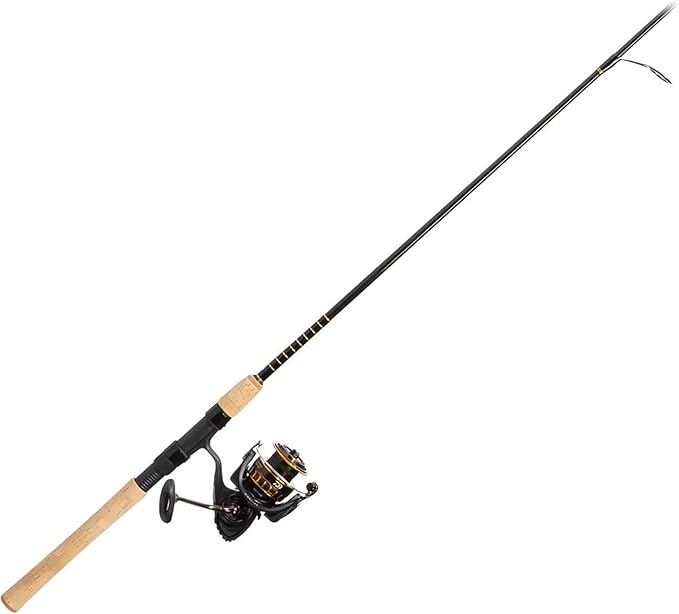
Daiwa BG Spinning Combo
Heavy-duty saltwater combo with Daiwa BG reel. Excellent for inshore and pier fishing.
As an Amazon Associate, we earn from qualifying purchases. Prices may vary.
Real-World Scenarios: When You Need (or Don't Need) a New Hampshire License
Scenario 1: Lake Winnipesaukee Landlocked Salmon Trolling
You're a 35-year-old Massachusetts resident planning a weekend trip to troll for landlocked salmon on Lake Winnipesaukee in May 2026.
Required: New Hampshire Annual Freshwater Fishing License (Non-Resident) = $63. Lake Winnipesaukee is freshwater, so you need the inland license. No additional trout or salmon stamp is required — all species are covered in the base license.
Scenario 2: Connecticut River Border Fishing
You're a 42-year-old New Hampshire resident fishing the Connecticut River from the New Hampshire side, but casting into Vermont waters in June 2026.
Required: New Hampshire Annual Freshwater Fishing License ($45) ONLY. Thanks to reciprocity, your NH license allows you to fish the entire Connecticut River, including casting to the Vermont shoreline. You do NOT need a Vermont license.
Scenario 3: Hampton Beach Striped Bass Surfcasting
You're a 28-year-old New Hampshire resident surfcasting for striped bass at Hampton Beach State Park in July 2026.
Required: New Hampshire Recreational Saltwater License = $11. New Hampshire's 18-mile Atlantic coastline requires a separate saltwater license. This is one of the most affordable saltwater licenses in New England.
Scenario 4: Tri-State Saltwater Fishing Trip
You're a New Hampshire resident with a NH Recreational Saltwater License who wants to fish the coast of Maine and Massachusetts during a week-long road trip in August 2026.
Required: New Hampshire Recreational Saltwater License ($11) ONLY. Thanks to reciprocity agreements, your NH saltwater license is fully valid in the marine waters of Maine and Massachusetts. You do NOT need to purchase additional licenses.
Scenario 5: Squam Lake Bass Fishing
You're a 50-year-old Connecticut resident visiting New Hampshire for a 3-day bass fishing trip on Squam Lake in September 2026.
Required: New Hampshire 3-Day Freshwater License = $28. Since you're only fishing for 3 days, the short-term license saves you $35 compared to the annual non-resident license ($63).
Scenario 6: Androscoggin River Fly Fishing
You're a 45-year-old New Hampshire resident fly fishing for wild brook trout in the Androscoggin River in the White Mountains in April 2026.
Required: New Hampshire Annual Freshwater Fishing License ($45). No additional trout stamp is required. New Hampshire includes all species privileges in the base license, unlike many neighboring states.
Scenario 7: Senior Ice Fishing on Lake Winnipesaukee
You're a 70-year-old New Hampshire resident planning to ice fish for lake trout on Lake Winnipesaukee in January 2026.
Required: New Hampshire Senior Fishing License = $7. Residents age 68 and older (born in 1948 or earlier) qualify for the discounted senior license. This covers all freshwater fishing including ice fishing.
Scenario 8: Youth Fishing Derby
You're a 40-year-old New Hampshire resident taking your 12-year-old child to a youth fishing derby at Massabesic Lake in May 2026.
Required: You need an Annual Freshwater License ($45). Your 12-year-old needs NOTHING — youth 15 and under fish completely free in New Hampshire.
Scenario 9: Combination License for Hunters
You're a 32-year-old New Hampshire resident who hunts deer in the fall and fishes year-round.
Required: New Hampshire Combination Hunting & Fishing License = $60. This bundles both licenses and saves you money compared to buying them separately (hunting license alone is typically $45, fishing $45 = $90 total).
Scenario 10: Connecticut Lakes Remote Fishing
You're a 38-year-old Vermont resident planning a remote fishing trip to the Connecticut Lakes region in northern New Hampshire in June 2026, targeting native brook trout.
Required: New Hampshire Annual Freshwater Fishing License (Non-Resident) = $63. Vermont residency provides no reciprocity for New Hampshire inland waters. You must purchase the full non-resident license.
Top 5 Fishing Destinations in New Hampshire
1. Lake Winnipesaukee
Location: Belknap and Carroll Counties (Laconia, Meredith, Wolfeboro, Alton)
Size: 44,586 acres — New Hampshire's largest lake
Target Species: Landlocked salmon, lake trout, smallmouth bass, largemouth bass, white perch, yellow perch
Why It's Special: Lake Winnipesaukee is New Hampshire's crown jewel fishery and one of the premier landlocked salmon destinations in the Northeast. The lake features 258 islands, diverse structure including deep basins (up to 180 feet), rocky points, and extensive shallow bays. Spring and fall offer exceptional landlocked salmon trolling, while summer provides excellent smallmouth bass fishing on rocky shorelines. The lake's extensive public access includes numerous boat launches and shore fishing areas. Ice fishing is extremely popular in winter, with anglers targeting lake trout, salmon, and perch.
License Required: Annual Freshwater Fishing License ($45 resident, $63 non-resident)
2. Squam Lake
Location: Grafton and Carroll Counties (Holderness, Center Harbor, Sandwich, Moultonborough)
Size: 6,791 acres
Target Species: Smallmouth bass, largemouth bass, lake trout, landlocked salmon, white perch, yellow perch
Why It's Special: Squam Lake gained fame as the filming location for "On Golden Pond" and remains one of New Hampshire's most pristine and scenic fisheries. The lake features crystal-clear water, rocky structure, and excellent water quality. Squam is renowned for trophy smallmouth bass fishing, with fish exceeding 5 pounds caught regularly. The lake's relatively undeveloped shoreline and limited boat traffic create an exceptional wilderness fishing experience. Public access is more limited than Winnipesaukee, but the quality of fishing compensates.
License Required: Annual Freshwater Fishing License ($45 resident, $63 non-resident)
3. Connecticut River
Location: Western New Hampshire border with Vermont (Pittsburg to Hinsdale)
Target Species: Smallmouth bass, largemouth bass, northern pike, walleye, muskellunge, channel catfish
Why It's Special: The Connecticut River forms New Hampshire's entire western border and offers diverse fishing opportunities from remote northern sections to developed southern reaches. The river is famous for its smallmouth bass fishery, particularly in the upper sections near Pittsburg. The Connecticut Lakes region (First, Second, Third, and Fourth Connecticut Lakes) at the river's headwaters provides remote wilderness fishing for native brook trout. Thanks to reciprocity agreements, New Hampshire anglers can fish the entire river including Vermont waters with just a NH license.
License Required: Annual Freshwater Fishing License ($45 resident, $63 non-resident)
4. Androscoggin River
Location: Northern New Hampshire (Errol, Berlin, Gorham)
Target Species: Wild brook trout, brown trout, rainbow trout, landlocked salmon
Why It's Special: The Androscoggin River in northern New Hampshire is one of the state's premier wild trout fisheries. The river flows through the White Mountains and features excellent fly fishing opportunities in scenic mountain settings. The section near Errol is particularly famous for its wild brook trout population and consistent insect hatches. The river's cold, clean water and diverse habitat support naturally reproducing trout populations. Access is excellent with numerous pull-offs along Route 16.
License Required: Annual Freshwater Fishing License ($45 resident, $63 non-resident)
5. New Hampshire Seacoast (Atlantic Ocean)
Location: New Hampshire's 18-mile coastline (Hampton, Rye, Portsmouth)
Target Species: Striped bass, bluefish, mackerel, pollock, cod, winter flounder
Why It's Special: Despite having the shortest ocean coastline of any coastal state, New Hampshire offers excellent saltwater fishing opportunities. Hampton Beach State Park and Rye Harbor State Park provide excellent shore fishing access for striped bass and bluefish. The rocky coastline and tidal estuaries create diverse habitat. Charter boats operate from Portsmouth and Hampton harbors, targeting offshore species. The spring and fall striped bass migrations bring trophy fish within casting distance of shore. Thanks to reciprocity, a NH saltwater license also covers fishing in Maine and Massachusetts waters.
License Required: Recreational Saltwater License ($11 resident and non-resident)

Penn Battle III Spinning Reel
Full metal body and sideplate. HT-100 carbon fiber drag washers for smooth performance.
Affiliate link · Prices may vary
Penalties for Fishing Without a License in New Hampshire
New Hampshire enforces fishing license requirements through the New Hampshire Fish and Game Department's Conservation Officers. Violations can result in significant penalties.
Fishing Without a License
Violation: Fishing without possessing a required valid license (RSA 214)
Penalty: Violations are typically prosecuted as violations (similar to traffic tickets) with fines ranging from $50 to $500 for first-time offenses. Repeat violations can result in higher fines and potential license suspension.
Classification: Most fishing license violations are classified as violations under New Hampshire Revised Statutes Title XVIII (Fish and Game).
Additional Violations
- Exceeding daily bag limits: $50-$500 fine, plus $10 per fish over the limit
- Possessing undersized fish: $50-$500 fine, plus $10 per fish
- Fishing during closed seasons: $50-$500 fine
- Using illegal gear or methods: $50-$500 fine
- Providing false information when purchasing license: Guilty of a violation, license revocation, and potential criminal charges
- Failure to display license when requested: $50-$100 fine (even if you have a valid license at home)
Enforcement
New Hampshire Conservation Officers actively patrol popular fishing areas throughout the state. Officers have authority to check licenses, inspect catches, measure fish, and issue citations. The New Hampshire Fish and Game Department operates Operation Game Thief (1-800-344-4262) for reporting violations.
Important: New Hampshire requires anglers to carry their physical or digital fishing license while fishing. Officers may request to see your license at any time. Simply claiming you "have a license at home" is not a valid defense and can result in a citation.
Comparison with Neighboring States
| State | Resident Annual | Non-Resident Annual | License Year | Key Differences |
|---|---|---|---|---|
| New Hampshire | $45 (freshwater) $11 (saltwater) | $63 (freshwater) $11 (saltwater) | Calendar year (Jan 1 - Dec 31) | No trout stamp required; excellent reciprocity |
| Vermont | $28 | $55 | Calendar year (Jan 1 - Dec 31) | Lower resident price; Connecticut River reciprocity with NH |
| Maine | $27 | $66 | Calendar year (Jan 1 - Dec 31) | Lower resident price; saltwater reciprocity with NH |
| Massachusetts | $27.50 | $37.50 | Calendar year (Jan 1 - Dec 31) | Lower non-resident price; saltwater reciprocity with NH |
| Connecticut | $28 (inland) $10 (marine) | $55 (inland) $15 (marine) | Calendar year (Jan 1 - Dec 31) | Separate inland/marine licenses |
Key Observations
- NH Resident Freshwater License is More Expensive: At $45, New Hampshire's resident freshwater license is the most expensive among neighboring states. However, it includes all species without additional stamps.
- NH Saltwater License is Excellent Value: At just $11 for both residents and non-residents, NH offers one of the most affordable saltwater licenses in New England, plus reciprocity with Maine and Massachusetts.
- No Trout Stamp Advantage: Unlike many states, New Hampshire doesn't require a separate trout or salmon stamp, simplifying licensing and reducing total costs for trout anglers.
- Short-Term Licenses Same Price: New Hampshire's 1-day, 3-day, and 7-day licenses cost the same for residents and non-residents, making them excellent value for visiting anglers.
- Connecticut River Reciprocity: NH and VT anglers can fish the entire Connecticut River with just their home state license — a unique regional agreement.
Where Your License Money Goes: Conservation Impact
New Hampshire fishing license revenue directly funds critical fisheries management and conservation programs administered by the New Hampshire Fish and Game Department:
- Trout and Salmon Stocking: New Hampshire stocks over 500,000 trout and landlocked salmon annually in lakes, ponds, rivers, and streams across the state.
- Fisheries Research: Population surveys, water quality monitoring, and habitat assessments ensure sustainable fish populations in over 1,000 water bodies.
- Habitat Restoration: Stream bank stabilization, fish passage improvements, and aquatic vegetation management enhance fish habitat.
- Public Access: Maintenance and improvement of boat launches, fishing piers, and shore fishing access points throughout the state.
- Wildlife Habitat Fee Programs: The mandatory habitat fee funds land acquisition, habitat restoration, and conservation easements protecting critical fish and wildlife habitat.
- Youth Education: Fishing clinics, school programs, and youth fishing events introduce new anglers to the sport.
- Law Enforcement: Conservation Officers patrol waters and enforce fishing regulations to protect fish populations.
- Aquatic Invasive Species Control: Programs to prevent and manage invasive species like variable milfoil and zebra mussels.
New Hampshire's fishing license program is partially funded through the federal Sport Fish Restoration Program (Dingell-Johnson Act), which matches state license revenue with federal excise taxes on fishing equipment. This partnership amplifies the conservation impact of every license purchased.
6 Frequently Misunderstood New Hampshire Fishing Rules
1. Connecticut River Reciprocity
The Rule: New Hampshire and Vermont have a reciprocal agreement allowing anglers with either state's license to fish the entire Connecticut River.
Why It's Confusing: Anglers sometimes assume they need both licenses or are unsure how far from shore they can fish.
The Reality: If you have a valid New Hampshire freshwater license, you can fish anywhere on the Connecticut River — including casting to the Vermont shoreline and even wading into Vermont waters. The reciprocity covers the entire river from source to mouth. However, this reciprocity does NOT extend to other Vermont waters like Lake Champlain or Vermont rivers.
2. No Trout Stamp Required
The Rule: New Hampshire does not require a separate trout or salmon stamp.
Why It's Confusing: Many neighboring states (like Connecticut and Massachusetts) require additional stamps for trout fishing, leading anglers to assume NH does too.
The Reality: Your base New Hampshire freshwater fishing license covers ALL species — trout, salmon, bass, pike, everything. There are no additional stamps or endorsements required. This makes NH licensing simpler and potentially cheaper than states requiring multiple stamps.
3. Saltwater Reciprocity Coverage
The Rule: New Hampshire Recreational Saltwater License holders can fish in the marine waters of Maine and Massachusetts.
Why It's Confusing: Anglers sometimes assume this reciprocity extends to all fishing in those states.
The Reality: Reciprocity ONLY applies to saltwater/marine/coastal waters. If you want to fish a freshwater lake or river in Maine or Massachusetts, you must purchase that state's freshwater fishing license. Your NH saltwater license provides no inland fishing privileges in other states.
4. Ice Fishing Line Limits
The Rule: New Hampshire allows anglers to use up to six ice fishing devices (tip-ups or lines) simultaneously.
Why It's Confusing: Some anglers assume they can use unlimited lines or are unsure if the limit applies per person or per group.
The Reality: Each licensed angler may use up to six devices. If you're ice fishing with a friend, you can collectively use 12 devices (six per person). However, each angler must be present and actively tending their devices. You cannot set up six tip-ups and leave them unattended while you go home.
5. Senior License Age Requirement
The Rule: New Hampshire residents age 68 and older qualify for the discounted $7 senior fishing license.
Why It's Confusing: Many states offer senior exemptions at age 65, leading NH anglers to assume the same applies.
The Reality: New Hampshire's senior discount begins at age 68 (born in 1948 or earlier for 2026 licenses). If you're 65-67 years old, you must purchase the regular $45 resident license. This is stricter than many neighboring states. However, the $7 senior license is an excellent value once you qualify.
6. License Year Timing
The Rule: All New Hampshire fishing licenses expire on December 31st, regardless of purchase date.
Why It's Confusing: Anglers purchasing a license in November or December sometimes feel they're not getting full value.
The Reality: New Hampshire uses a calendar-year license system. If you purchase an annual license on December 15, 2026, it expires on December 31, 2026 — just 16 days later. For this reason, it's wise to wait until January 1st to purchase your annual license if you're buying in late December. Alternatively, purchase short-term licenses (1-day, 3-day, or 7-day) for late-season fishing.