 FishKillFlea
Connecticut Fishing License Guide (2026)
Complete guide to Connecticut fishing licenses — inland, marine registry, trout and salmon stamps, and FAQs.
Overview of Connecticut Fishing Licenses
Connecticut offers quintessential New England angling, featuring beautiful inland trout streams, the expansive Connecticut River, and excellent saltwater fishing in the Long Island Sound. The Connecticut Department of Energy and Environmental Protection (DEEP) requires anyone 16 years of age or older to possess a valid fishing license.
Connecticut strictly separates its legal fishing jurisdictions into Inland (Freshwater) and Marine (Saltwater). If you are fishing the Housatonic River for bass, you need an Inland license. If you are casting for bluefish in the Long Island Sound, you need a Marine license. For anglers traversing both, the All Waters License provides the perfect bundled solution.
Real-World Application: The Trout and Salmon Stamp
Connecticut operates an incredibly robust brown, rainbow, and brook trout stocking program, funded directly by anglers. If you intend to possess a trout or salmon anywhere in Connecticut waters, you must absolutely possess a Trout and Salmon Stamp in addition to your basic freshwater fishing license.
Even more strictly, if you intend to fish in any river, stream, or brook specifically designated as a "Trout Management Area," "Wild Trout Management Area," or "Trout Park," you MUST possess the stamp—even if you are strictly practicing catch-and-release, and even if you are just passing through fishing for bass.

Penn Battle III Surf Spinning Combo
10-foot surf rod with Penn Battle III reel. Built for beach casting stripers and bluefish.
Affiliate link · Prices may vary
Saltwater Reciprocity
If you purchase a Connecticut Marine Waters Fishing License, you benefit from excellent regional reciprocity. Your CT marine license is fully honored in the marine and tidal waters of New York, Massachusetts, and Rhode Island.
This allows a Connecticut resident to launch their boat in New London, pilot it across the Long Island Sound into New York waters, and legally fish for striped bass without needing to purchase a separate New York marine registry or license.
2026 Connecticut Fishing License Prices
| License Type | Resident (18-64) | Resident (16-17) | Resident (65+) | Non-Resident |
|---|---|---|---|---|
| Inland Fishing | $28.00 | $14.00 | FREE | $55.00 |
| Marine Fishing | $10.00 | $5.00 | FREE | $15.00 |
| All-Waters License | $32.00 | $16.00 | FREE | $63.00 |
| Trout & Salmon Stamp | $5.00 | $5.00 | $5.00 | $5.00 |
| 1-Day Inland | $12.00 | $12.00 | N/A | $20.00 |
| 3-Day Inland | $20.00 | $20.00 | N/A | $35.00 |
License Year: All Connecticut fishing licenses expire on December 31st of the calendar year, regardless of purchase date.
Free Fishing Day 2026: Saturday, May 9, 2026 — no license required for anyone.
Youth Exemption: Anyone 15 years of age or younger may fish without a license in Connecticut.
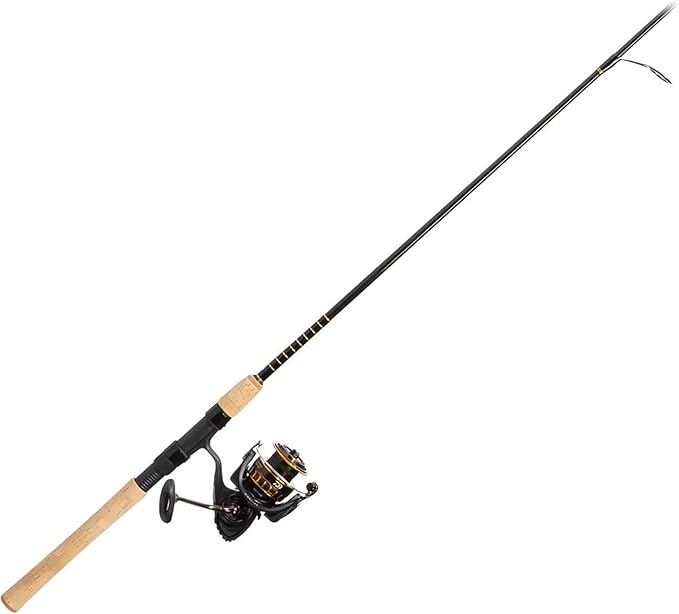
Daiwa BG Spinning Combo
Heavy-duty saltwater combo with Daiwa BG reel. Excellent for inshore and pier fishing.
As an Amazon Associate, we earn from qualifying purchases. Prices may vary.
Real-World Scenarios: When You Need (or Don't Need) a Connecticut License
Scenario 1: Candlewood Lake Bass Tournament
You're a 32-year-old Connecticut resident entering a largemouth bass tournament on Candlewood Lake in May 2026. Candlewood is Connecticut's largest lake and a premier bass fishery.
Required: Connecticut Inland Fishing License ($28). Candlewood Lake is freshwater, so you need the inland license. You do NOT need the Trout & Salmon Stamp unless you plan to keep trout or fish in designated Trout Management Areas.
Scenario 2: Housatonic River Trout Fishing
You're a 28-year-old resident planning to fly fish for wild brown trout in the Housatonic River's Trout Management Area near Cornwall Bridge in April 2026.
Required: Connecticut Inland Fishing License ($28) + Trout & Salmon Stamp ($5) = $33 total. The Trout & Salmon Stamp is MANDATORY to fish in any designated Trout Management Area, even if you're practicing catch-and-release and never intend to keep a fish.
Scenario 3: Long Island Sound Striped Bass
You're a 45-year-old Connecticut resident fishing for striped bass from the shore at Hammonasset Beach State Park in June 2026.
Required: Connecticut Marine Fishing License ($10). Long Island Sound is saltwater, so you need the marine license. This is one of the most affordable saltwater licenses in the Northeast.
Scenario 4: Cross-Border Fishing to New York Waters
You're a Connecticut resident who launches your boat in Stamford and crosses into New York waters of Long Island Sound to fish for bluefish in July 2026.
Required: Connecticut Marine Fishing License ($10) ONLY. Thanks to reciprocity agreements, your Connecticut marine license is fully valid in New York, Massachusetts, and Rhode Island marine waters. You do NOT need to purchase a New York marine registry.
Scenario 5: Connecticut River Shad Run
You're a 50-year-old Massachusetts resident visiting Connecticut in May 2026 to fish the famous American shad run in the Connecticut River near Middletown.
Required: Connecticut Inland Fishing License (Non-Resident) = $55. The Connecticut River is freshwater/inland jurisdiction. Massachusetts residency provides no reciprocity for Connecticut inland waters.
Scenario 6: Bantam Lake Ice Fishing
You're a 70-year-old Connecticut resident planning to ice fish for yellow perch on Bantam Lake in January 2026.
Required: NOTHING. Connecticut residents age 65 and older fish completely free in all inland waters. You should still register for a free license online for identification purposes.
Scenario 7: All-Waters License for Versatile Angler
You're a 35-year-old Connecticut resident who fishes Candlewood Lake for bass in the morning and Long Island Sound for striped bass in the evening throughout the summer.
Required: Connecticut All-Waters License ($32). This bundled license covers both inland and marine fishing, saving you $6 compared to buying both separately ($28 + $10 = $38).
Scenario 8: Trout Park Fishing with Kids
You're a 40-year-old resident taking your 12-year-old child to a designated Trout Park in Hartford in June 2026. You plan to keep stocked rainbow trout.
Required: You need an Inland License ($28) + Trout & Salmon Stamp ($5) = $33. Your 12-year-old needs NOTHING — youth 15 and under fish free. However, if your child wants to keep trout, they technically need the $5 Trout & Salmon Stamp (though this is rarely enforced for youth).
Scenario 9: Free Fishing Day Confusion
You're a 25-year-old non-resident visiting Connecticut on Saturday, May 9, 2026, and want to fish Candlewood Lake.
Required: NOTHING. May 9, 2026 is Connecticut's official Free Fishing Day. No license is required for anyone — resident or non-resident, inland or marine waters.
Scenario 10: Marine Reciprocity Limits
You're a Connecticut resident with a Connecticut Marine License who wants to fish a freshwater lake in Rhode Island in August 2026.
Required: Rhode Island Freshwater Fishing License. Connecticut's marine reciprocity ONLY applies to saltwater/marine waters. It does NOT extend to inland/freshwater fishing in other states. You must purchase Rhode Island's inland license.
Top 5 Fishing Destinations in Connecticut
1. Candlewood Lake
Location: Fairfield and Litchfield Counties (Danbury, New Fairfield, Brookfield, New Milford, Sherman)
Size: 8.4 square miles — Connecticut's largest lake
Target Species: Largemouth bass, smallmouth bass, rainbow trout, brown trout, yellow perch, white perch, bluegill
Why It's Special: Candlewood Lake is a manmade reservoir created in 1928 and remains Connecticut's premier bass fishery. The lake hosts numerous bass tournaments throughout the year and features excellent structure including submerged timber, rocky points, and deep ledges. Spring and fall offer exceptional smallmouth bass fishing on rocky points in 15-30 feet of water. The Connecticut DEEP stocks rainbow and brown trout annually, providing excellent early-season trout fishing.
License Required: Inland Fishing License ($28 resident, $55 non-resident)
2. Housatonic River
Location: Western Connecticut (Cornwall, Kent, Sharon, Salisbury)
Target Species: Wild brown trout, rainbow trout, brook trout, smallmouth bass
Why It's Special: The Housatonic River is Connecticut's premier wild trout fishery, particularly the stretch from Cornwall Bridge to Falls Village. This section features multiple designated Trout Management Areas with special regulations protecting wild trout populations. The river supports naturally reproducing brown trout and offers exceptional fly fishing opportunities. The Housatonic's consistent flows, excellent insect hatches, and scenic beauty make it a destination for serious trout anglers throughout the Northeast.
License Required: Inland Fishing License ($28 resident, $55 non-resident) + Trout & Salmon Stamp ($5) — stamp required to fish in Trout Management Areas
3. Long Island Sound
Location: Entire Connecticut coastline (Greenwich to Stonington)
Target Species: Striped bass, bluefish, summer flounder (fluke), black sea bass, tautog (blackfish), scup (porgy), weakfish
Why It's Special: Long Island Sound is a 110-mile-long tidal estuary offering world-class saltwater fishing. The Sound is famous for its trophy striped bass fishery, with fish exceeding 50 pounds caught annually. Popular access points include Hammonasset Beach State Park, Rocky Neck State Park, and numerous town beaches and boat launches. The Sound's diverse structure — including reefs, rocks, marshes, and deep channels — supports an incredible variety of saltwater species. Spring and fall striped bass runs are legendary.
License Required: Marine Fishing License ($10 resident, $15 non-resident)
4. Connecticut River
Location: Central Connecticut (Hartford, Middletown, Essex, Old Saybrook)
Target Species: American shad, striped bass, largemouth bass, smallmouth bass, catfish, carp
Why It's Special: The Connecticut River is New England's longest river and offers diverse fishing opportunities from freshwater species in the upper sections to anadromous fish in the tidal lower river. The spring American shad run (May-June) is world-famous, attracting anglers from across the region. The lower tidal sections near Essex and Old Saybrook offer excellent striped bass fishing. The river's extensive marshes, islands, and tributaries provide exceptional habitat diversity.
License Required: Inland Fishing License for freshwater sections ($28 resident, $55 non-resident); Marine License for tidal sections below I-95 ($10 resident, $15 non-resident)
5. Bantam Lake
Location: Litchfield County (Litchfield, Morris)
Size: 916 acres — Connecticut's largest natural lake
Target Species: Largemouth bass, smallmouth bass, northern pike, yellow perch, bluegill, pumpkinseed
Why It's Special: Bantam Lake is Connecticut's largest natural lake and offers excellent year-round fishing, including popular ice fishing in winter. The lake features diverse habitat including weed beds, rocky shorelines, and deep basins. Bantam is known for producing quality largemouth bass and is one of the few Connecticut waters with a naturally reproducing northern pike population. The lake's public boat launch and shore fishing access make it highly accessible.
License Required: Inland Fishing License ($28 resident, $55 non-resident)

Penn Battle III Spinning Reel
Full metal body and sideplate. HT-100 carbon fiber drag washers for smooth performance.
Affiliate link · Prices may vary
Penalties for Fishing Without a License in Connecticut
Connecticut takes fishing license violations seriously. Fishing without a valid license or violating fishing regulations can result in significant penalties.
Fishing Without a License
Violation: Fishing without possessing a required valid license
Penalty: Fines typically range from $50 to $500 for first-time offenses. Repeat violations or aggravated circumstances can result in higher fines and potential license suspension.
Classification: Fishing license violations are typically prosecuted as infractions or misdemeanors under Connecticut General Statutes Title 26 (Fisheries and Game).
Additional Violations
- Fishing in Trout Management Areas without Trout & Salmon Stamp: $50-$500 fine
- Exceeding creel limits: $50-$500 per violation, plus potential license suspension
- Fishing during closed seasons: $50-$500 fine
- Possessing undersized fish: $50-$500 per fish
- Providing false information when purchasing license: Up to $1,000 fine, potential criminal charges
Enforcement
Connecticut Environmental Conservation Police Officers actively patrol popular fishing areas throughout the state. Officers have authority to check licenses, inspect catches, and issue citations. The Connecticut DEEP operates a 24-hour TIP Line (1-800-842-4357) for reporting violations.
Important: Always carry your physical or digital fishing license while fishing. Officers may request to see your license at any time. Claiming you "have a license at home" is not a valid defense.
Comparison with Neighboring States
| State | Resident Annual | Non-Resident Annual | License Year | Key Differences |
|---|---|---|---|---|
| Connecticut | $28 (inland) $10 (marine) $32 (all-waters) | $55 (inland) $15 (marine) $63 (all-waters) | Calendar year (Jan 1 - Dec 31) | Separate inland/marine licenses; excellent marine reciprocity |
| New York | $25 | $50 | Calendar year (Jan 1 - Dec 31) | Single license covers all waters; marine registry required for saltwater |
| Massachusetts | $27.50 | $37.50 | Calendar year (Jan 1 - Dec 31) | Single license covers all waters; separate saltwater registry |
| Rhode Island | $18 (freshwater) $7 (marine) | $35 (freshwater) $10 (marine) | Calendar year (Jan 1 - Dec 31) | Separate freshwater/marine licenses; lowest resident prices in region |
Key Observations
- Connecticut's Marine License is Exceptional Value: At just $10 for residents, Connecticut offers the most affordable saltwater fishing access in the region, plus reciprocity with NY, MA, and RI marine waters.
- All-Waters License Saves Money: Connecticut's $32 all-waters license is cheaper than buying inland + marine separately ($38 total).
- Non-Resident Inland Pricing is Competitive: Connecticut's $55 non-resident inland license is comparable to New York ($50) and more affordable than many other states.
- Trout Stamp Requirement is Unique: Connecticut's mandatory Trout & Salmon Stamp for fishing in Trout Management Areas (even catch-and-release) is stricter than neighboring states.
Where Your License Money Goes: Conservation Impact
Connecticut fishing license revenue directly funds critical fisheries management and conservation programs administered by the Connecticut Department of Energy and Environmental Protection (DEEP):
- Trout Stocking Program: Connecticut stocks over 600,000 trout annually in rivers, streams, lakes, and ponds across the state. The Trout & Salmon Stamp specifically funds this program.
- Fisheries Research: Population surveys, water quality monitoring, and habitat assessments ensure sustainable fish populations.
- Habitat Restoration: Stream bank stabilization, fish passage improvements, and aquatic vegetation management enhance fish habitat.
- Public Access: Maintenance and improvement of boat launches, fishing piers, and shore fishing access points.
- Aquatic Invasive Species Control: Programs to prevent and manage invasive species like water chestnut and zebra mussels.
- Youth Education: Fishing clinics, school programs, and youth fishing events introduce new anglers to the sport.
- Law Enforcement: Environmental Conservation Police Officers patrol waters and enforce fishing regulations.
Connecticut's fishing license program is partially funded through the federal Sport Fish Restoration Program (Dingell-Johnson Act), which matches state license revenue with federal excise taxes on fishing equipment. This partnership amplifies the conservation impact of every license purchased.
6 Frequently Misunderstood Connecticut Fishing Rules
1. Inland vs. Marine License Confusion
The Rule: Connecticut strictly separates inland (freshwater) and marine (saltwater) fishing jurisdictions, requiring different licenses.
Why It's Confusing: The Connecticut River is tidal in its lower sections, creating confusion about which license applies. Additionally, some anglers assume one license covers all fishing.
The Reality: If you're fishing above the I-95 bridge on the Connecticut River, you need an inland license. Below I-95 in tidal waters, you need a marine license. When in doubt, the All-Waters License ($32) covers both jurisdictions and eliminates confusion.
2. Trout & Salmon Stamp Requirements
The Rule: You must possess a Trout & Salmon Stamp to fish in any designated Trout Management Area, Trout Park, or Wild Trout Management Area — even if practicing catch-and-release.
Why It's Confusing: Many anglers assume the stamp is only required if you intend to keep trout. This is incorrect.
The Reality: The stamp is required just to fish in these designated areas, regardless of whether you keep fish. If you're fly fishing for bass in a stream that happens to be a Trout Management Area, you still need the stamp. The only exception is if you're fishing for species other than trout in a non-TMA section of the same water body.
3. Marine Reciprocity Limits
The Rule: Connecticut Marine License holders can fish in marine/tidal waters of New York, Massachusetts, and Rhode Island.
Why It's Confusing: Anglers sometimes assume this reciprocity extends to all fishing in those states.
The Reality: Reciprocity ONLY applies to saltwater/marine/tidal waters. If you want to fish a freshwater lake or river in New York, Massachusetts, or Rhode Island, you must purchase that state's freshwater fishing license. Your Connecticut marine license provides no inland fishing privileges in other states.
4. Senior Exemption Age
The Rule: Connecticut residents age 65 and older fish free in all Connecticut waters (inland and marine).
Why It's Confusing: Some seniors assume they still need to purchase a license, or they're unsure if the exemption applies to both inland and marine fishing.
The Reality: If you're a Connecticut resident age 65+, you fish completely free — no inland license, no marine license, no fees. However, you should still register for a free license online for identification purposes when checked by conservation officers.
5. All-Waters License Benefits
The Rule: The All-Waters License ($32 resident) covers both inland and marine fishing in Connecticut.
Why It's Confusing: The name "All-Waters" might suggest it covers fishing in other states or provides additional privileges.
The Reality: The All-Waters License simply bundles the inland and marine licenses into one convenient package at a $6 discount. It does NOT provide any fishing privileges outside Connecticut. It's perfect for anglers who fish both Candlewood Lake and Long Island Sound, but it won't help you fish in New York's inland waters.
6. License Year Timing
The Rule: All Connecticut fishing licenses expire on December 31st, regardless of purchase date.
Why It's Confusing: Anglers purchasing a license in November or December sometimes feel cheated that it only lasts a few weeks.
The Reality: Connecticut uses a calendar-year license system. If you purchase a license on December 15, 2026, it expires on December 31, 2026 — just 16 days later. For this reason, it's wise to wait until January 1st to purchase your annual license if you're buying in late December. Alternatively, purchase short-term licenses (1-day or 3-day) for late-season fishing.